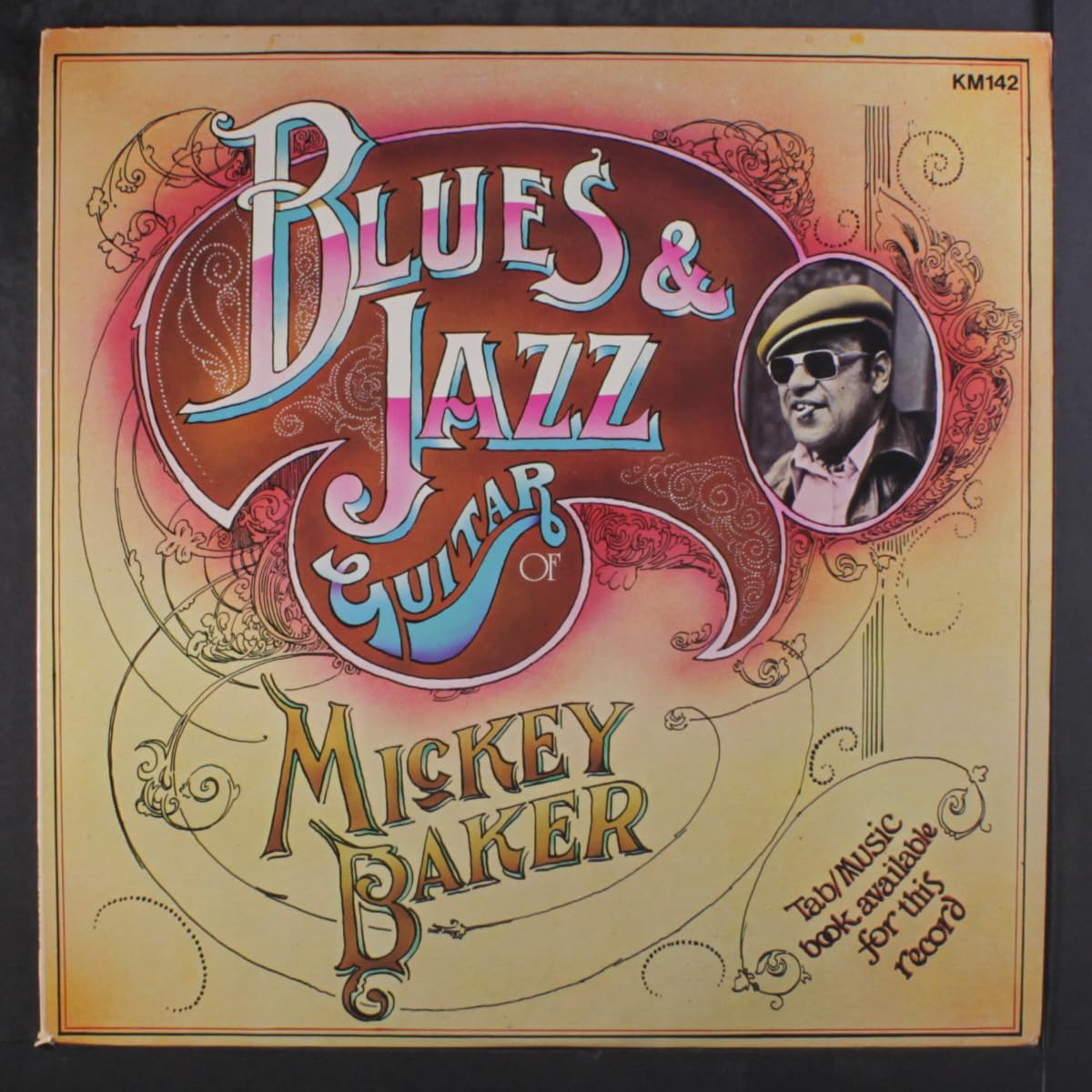
Mickey Baker, Blues & Jazz Guitar of Mickey Baker. More than 20 years have passed since this guy, as half of Mickey & Sylvia, scored a major pop hit with “Love Is Strange.” Since then, Baker has covered a lot of turf. He has recorded with artists ranging from Memphis Slim to the Drifters and, as a guitarist, has become conversant with everything from R&B to jazz and country blues. That last genre dominates this new LP, which has little but wonderfuless in common with the aforementioned Mickey & Sylvia smash. Still, many of the blues tunes here will be familiar to rock fans, and Baker’s performances (such as on “Spoonful,” where his vocals recall Bruce “Hey, Baby” Channel) suggest that he hasn’t forgotten his rocker days. Be that as it may, he is a gifted, effusive guitarist and warm, attention-grabbing singer. And he has the ability to make often-heard, seemingly worn-out tunes sound fresh.
The album is available here.
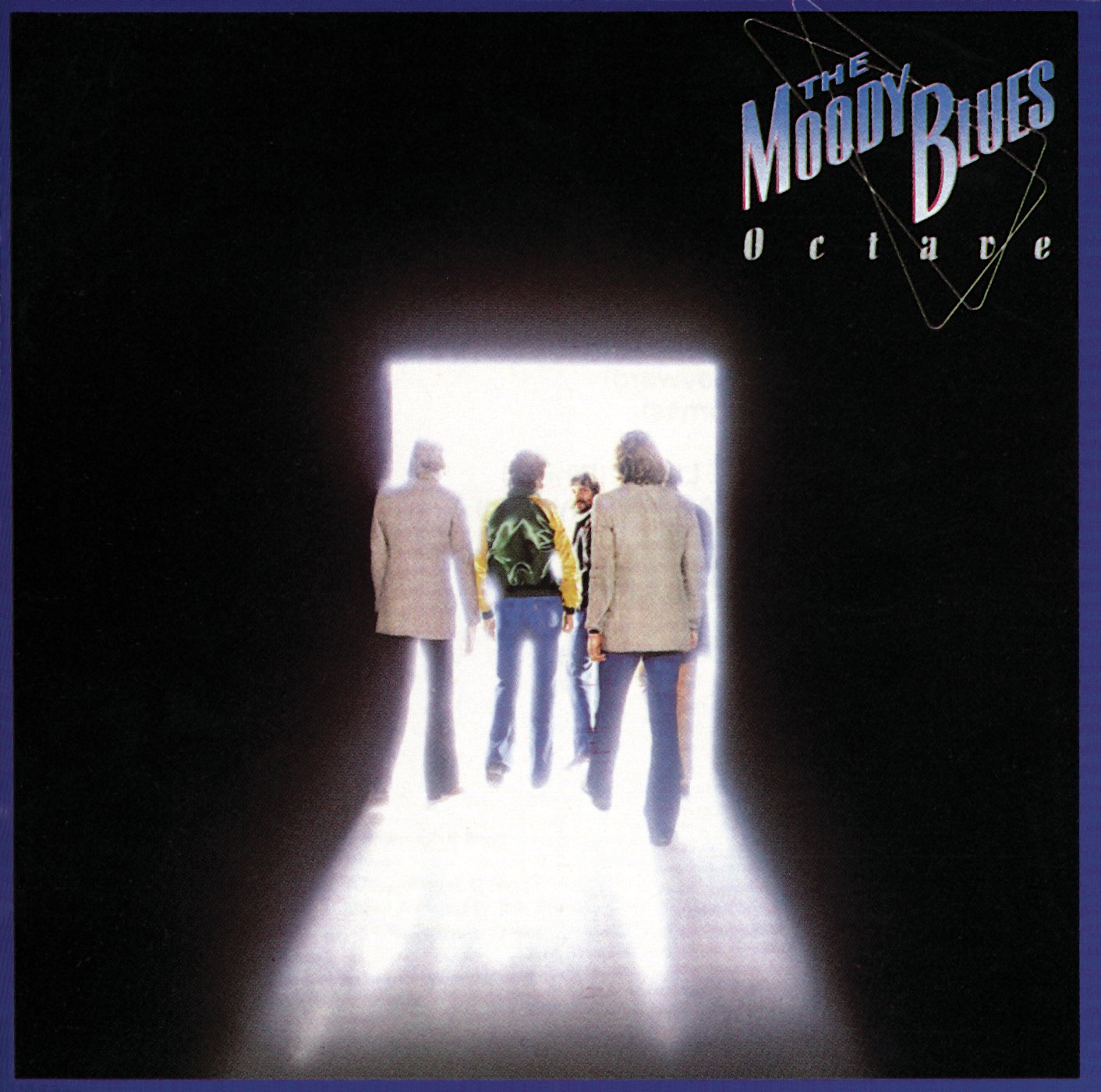
Moody Blues, Octave. Reuniting after a six-year hiatus, the Moody Blues have picked up just about exactly where they left off: nowhere special. Yes, those wonderful harmonies remain intact. And Justin Hayward, their best writer, continues to have his moments, most notably on the gorgeous “Driftwood.” But too much of the music here offers style without substance. Like the albums that marked the group’s decline, it sounds pleasant and professionaly wrought but contains recycled musical ideas and unconvincing lyrical platitudes. Tony Clarke’s production, which is frequently gimmicky and cluttered, doesn’t help. It’s good to see this once-great group back together, but one hopes it will hold its next release until its members have something new to say.
The album is available here.
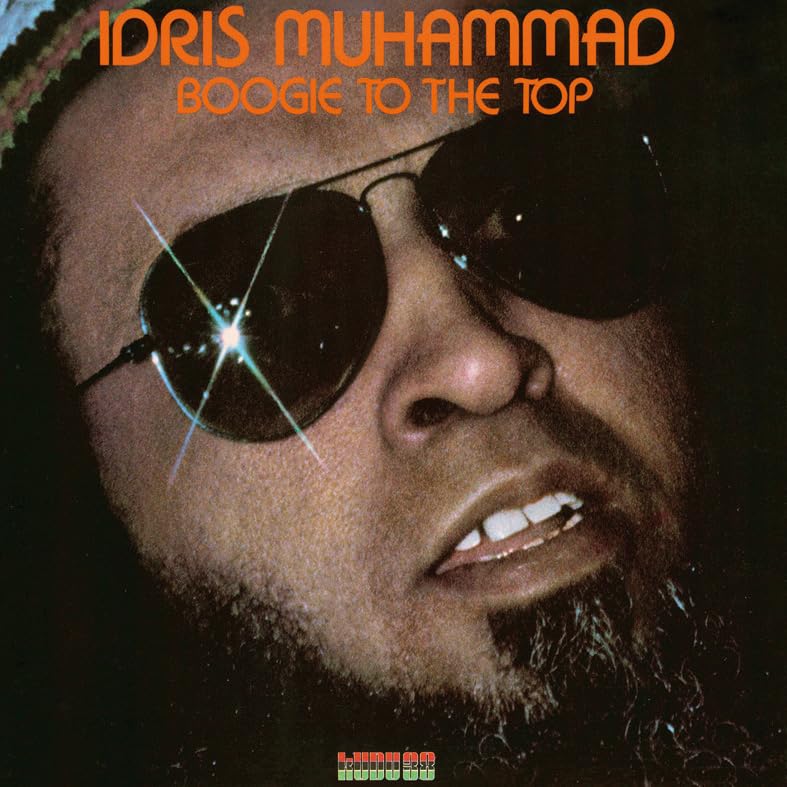
Idris Muhammad, Boogie to the Top. This is quintessential disco, which means throwaway lyrics, a dearth of musical innovation, and irresistible, prominently mixed percussion. Drummer Muhammad and his crew, which includes luminaries such as Will Tee, Jeremy Steig, and Hugh McCracken, inject style and surprise into an otherwise mundane quintet of compositions. The production, by David Matthews and Tony Sarafino, is first-rate, but the project seems unworthy of the participants. One can’t help wondering what they might have come up with if the financial rewards of disco hadn’t been as tempting as they apparently were.
The album is available here.
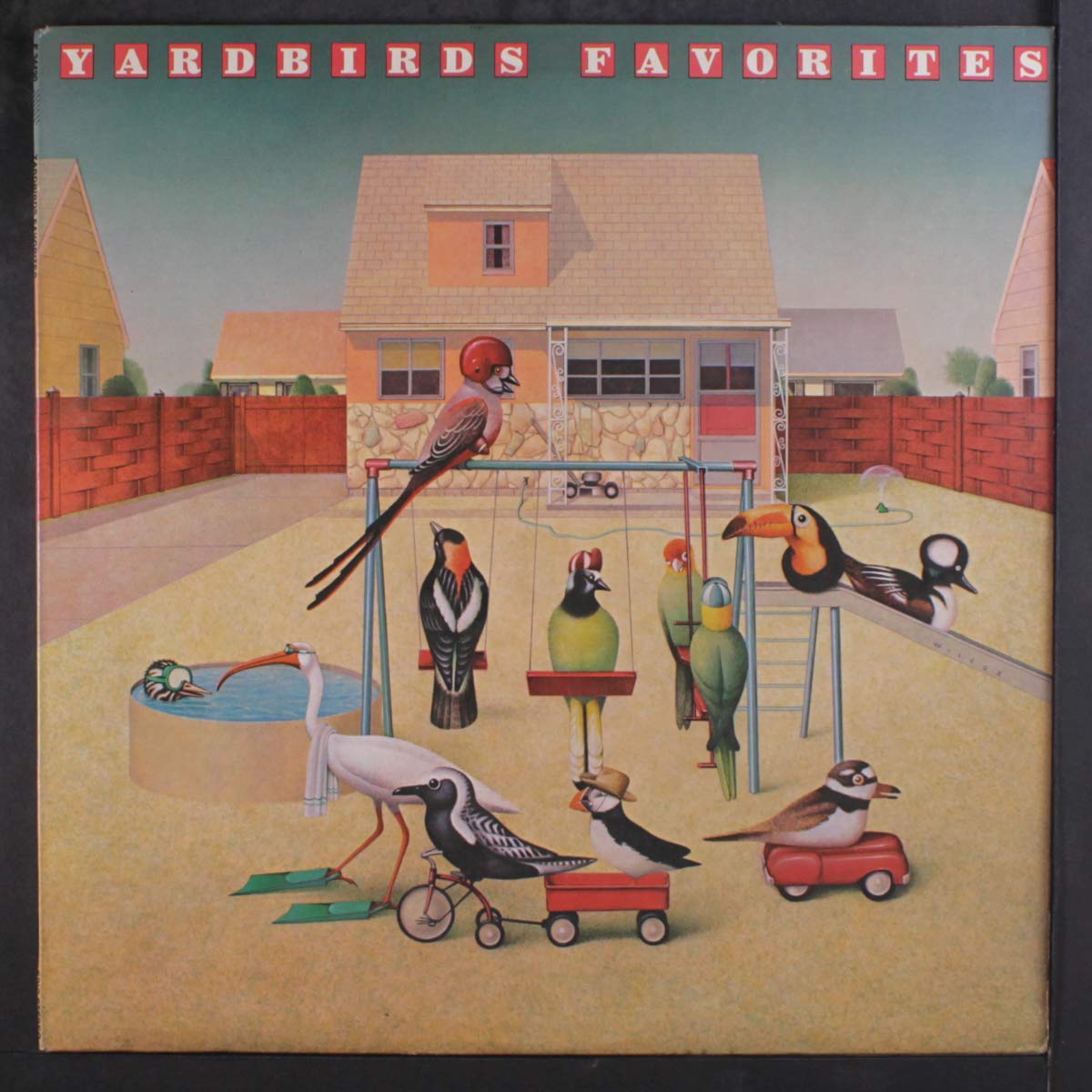
The Yardbirds, Yardbirds Favorites, and The Yardbirds Great Hits. Most rock aficionados have heard of the legendary Yardbirds, whose ranks included such subsequently heralded guitarists as Jimmy Page, Eric Clapton, and Jeff Beck. But the work of the group, which disbanded in 1968, has long been out of print, and unless you were willing to shell out high prices for extant copies of old LPs, you were left to ponder their significance in silence. With the release of these well-annotated albums, however, we can finally hear a sampling of the work of an outfit that has been justly credited with paving the road from American and British R&B to psychedelic heavy metal rock. Note, though, that the sound quality is uneven on Favorites and that Great Hits inexplicably omits some classic singles.
Yardbirds Favorites is available here, and The Yardbirds Great Hits is available here.
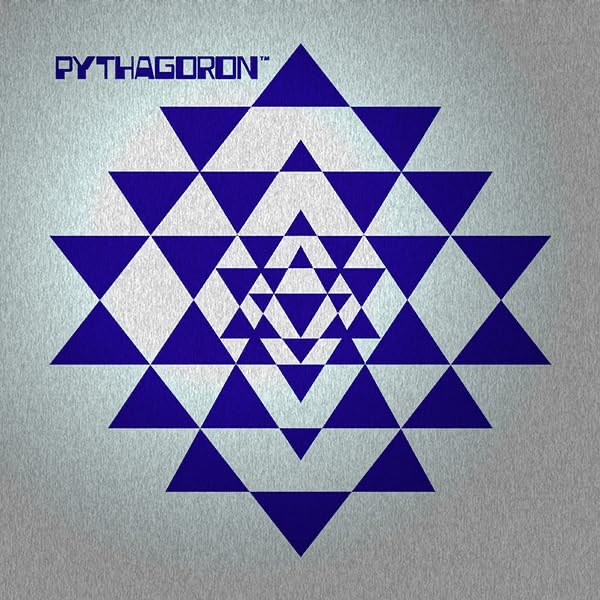
Pythagoron. This could be the biggest ripoff since Lou Reed’s Metal Machine Music. To quote the manufacturer, “Pythagoron is a new technique of sound production [whereby]…electronically controlled tones and rhythms…resonate with brainwave patterns to produce a deeply stoned state when you listen.” The good news is that it’s legal. The bad news is that it costs $9.95 and works about as well as a banana peel.
The album is no longer available.
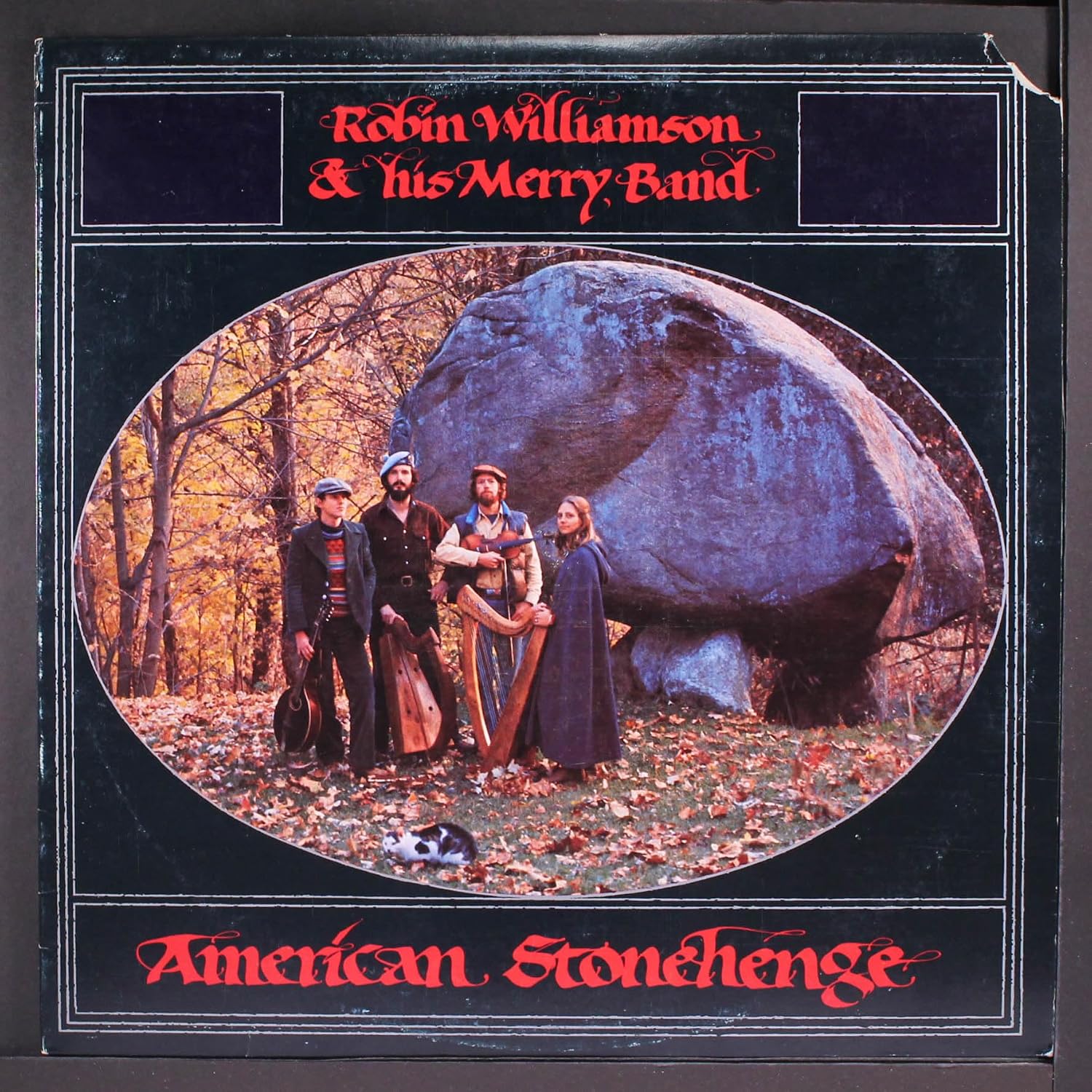
Robin Williamson & His Merry Band, American Stonehenge. Back on the scene with a new group, Robin Williamson has come up with a sound that will not disappoint followers of his now-defunct Incredible String Band. Like that excellent duo, the new group makes exhilarating, richly textured acoustic music that draws on rock, jazz, and assorted other genres. Unlike the String Band’s LPs, however, the present album predominantly seeks to make traditional Celtic folk palatable to a contemporary rock-pop audience. That’s not a new idea—Alan Stivell and Horslips are among several other acts who’ve tried it—but Williamson’s crew does it best. Expect beautiful arrangements, consummate musicianship, and charming, playful lyrics.
The album is available here.

Benny Mardones, Thank God for Girls. The first cut on this debut, a strings-laden, melodramatic reading of the Alessi Brothers’ “All for a Reason,” offers an accurate preview of everything that follows. Andrew Loog Oldham’s production, the sax break, and the few added lyrics come straight from Phil Spector, Bruce Springsteen, and the Ronettes, and the arrangement and vocal add little to the authors’ version. Still, Mardones’s cover is eminently listenable, and the rest of the LP is almost as difficult to turn off. The artist needs to put more distance between himself and his sources, but he also needs to write less cliched lyrics. Until he does, however, he might be able to get by on Oldham’s appropriately lush production and on his enthusiasm for subjects explored by his predecessors.
The album is available here.
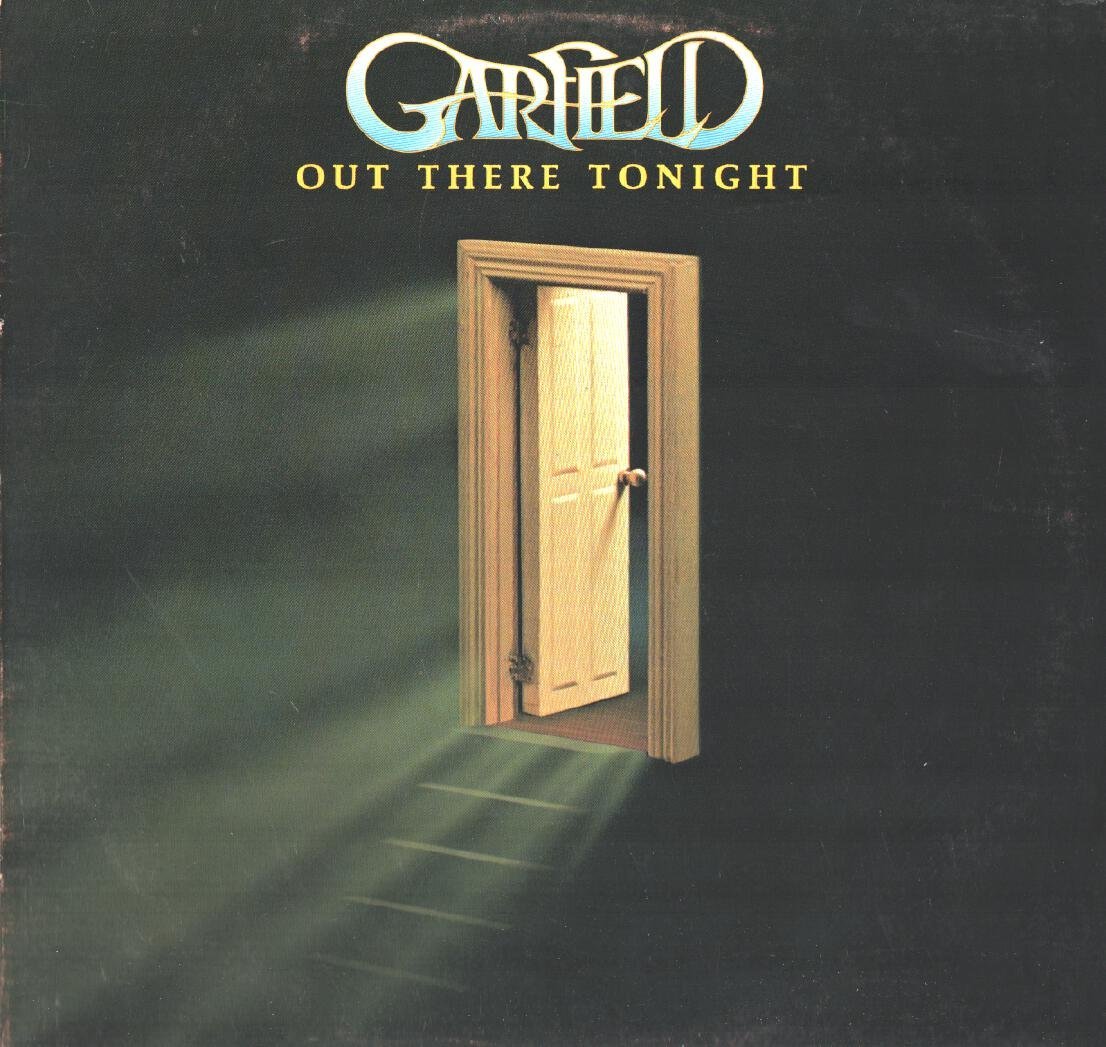
Garfield, Out There Tonight. This is probably the first you’ve heard of Toronto’s Garfield but if the septet garners the promotion it deserves, it’s not likely to be the last. Though superficially reminiscent of pop vocalist Paul Williams, lead singer Garfield French possesses a more arresting, effusive style. Just as important, he writes melodic and, at times, captivating vignettes. The band, which boasts excellent strings and horns, has the taste and talent to make each line hit home.
The album is available here.
On the Bookshelf
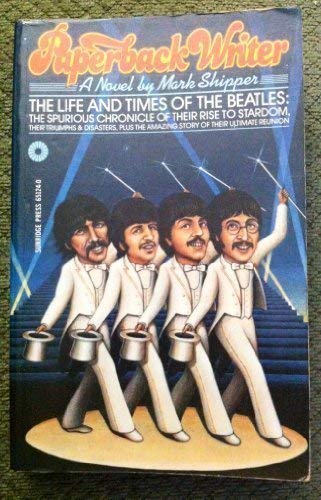
Paperback Writer: The Life and Times of the Beatles, by Mark Shipper. If you’ve browsed through the list of available Beatles books, you know that their story has already been told from the perspective of nearly every secretary, chauffeur, and gardener who ever crossed their path.
Even if you’ve read all their tales, however, you’ve never encountered anything like this book—mainly because Mark Shipper’s “biography” comes straight from his own wild imagination.
In Shipper’s spurious history, for example, the Beatles debut with an LP called We’re Gonna Change the Face of Pop Music Forever, and they rise to fame with albums like Money…That’s What I Want. Later on, John Lennon teams up with Sonny Bono in the Plastic Bono Band, George Harrison writes “Disco Jesus,” Paul McCartney hears his wife, Linda, threaten to quit Wings in favor of a gig with Steely Dan, and Ringo Starr enjoys numerous hits—most of them recorded by other artists.
In the book’s razor-sharp conclusion, which is set in 1979, the Beatles get back together with disastrous results. Disgrunted fans trade in their uninspired reunion LP for “roach clips, old Al Stewart albums, Farrah Fawcett posters, anything, just to get rid of it.”
Then, when they perform their first concerts in 13 years, numerous groupies confront them, but only as a way of getting to Peter Frampton—the artist to whom the Beatles are now second-billed.
Not every line is a gem, largely because Shipper can’t resist the urge to scatter corny one-liners amid his satirical vignettes. But at its acidic best, such as in the chapter about a stoned songwriting session with Bob Dylan, the book has the power to make Beatlemaniacs laugh even as it rips their illusions to shreds. At such times, it is just as irreverent and just as much fun as the music that inspired it.
The book is available here.
Discover more from By Jeff Burger
Subscribe to get the latest posts sent to your email.

