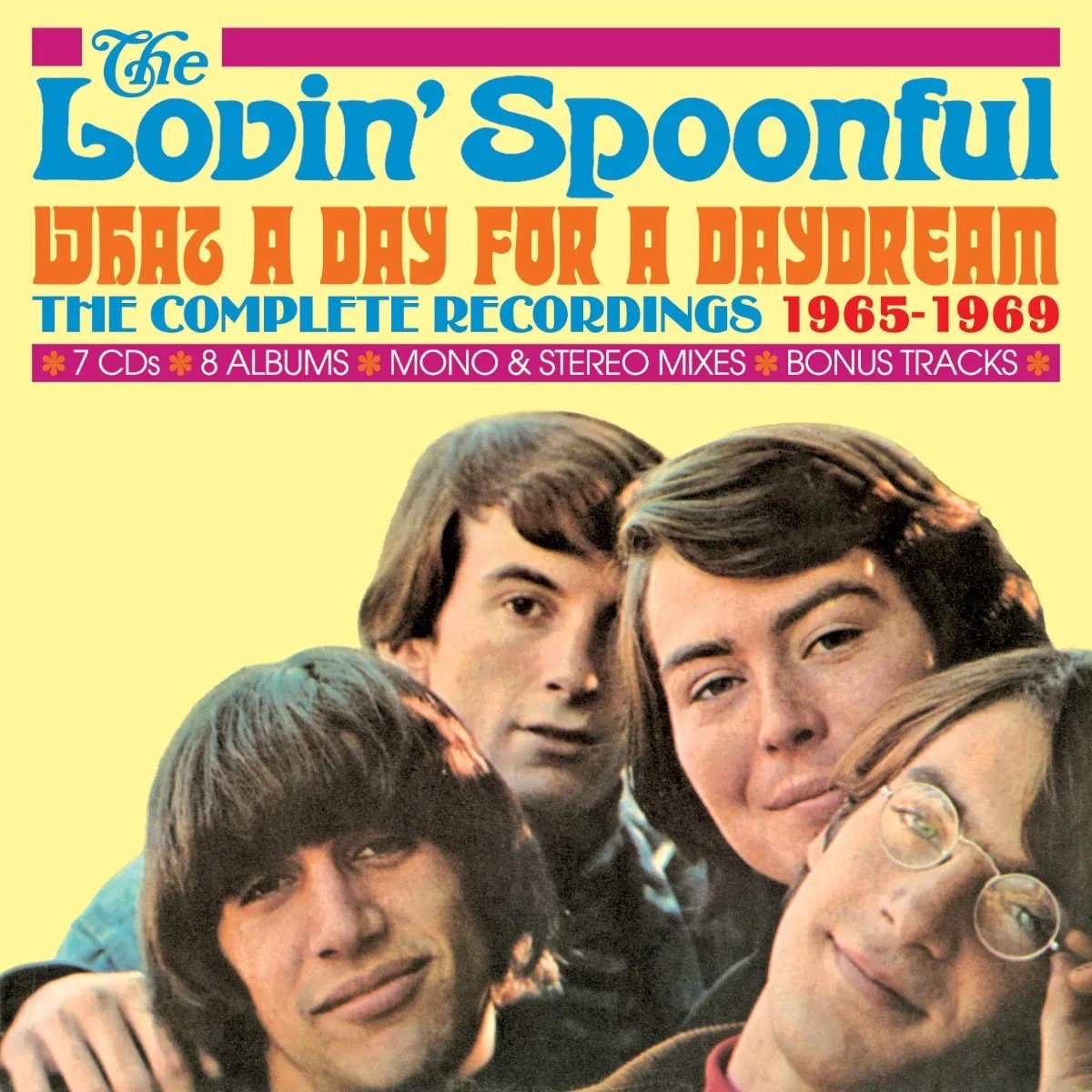
The Lovin’ Spoonful, whose origins the Mamas and the Papas chronicle in their hit “Creeque Alley,” ranks among the most notable products of New York’s Greenwich Village folk explosion. Combining elements of that genre with blues, pop, rock and roll, and jug band music, the group scored seven consecutive Top 10 hits—five in 1966 alone—including some of the most lovable singles of the late 1960s. Co-founded and led by the gifted singer/songwriter John Sebastian, the band originally also featured guitarist Zal Yanovsky, bassist Steve Boone, and drummer Joe Butler. Jerry Yester, who played on some of its early records, replaced Yanovsky in 1967.
One thing that characterizes this group, which the Rock & Roll Hall of Fame inducted in 2000, is that its music includes frequent humorous touches and virtually all radiates warmth and positivity. Even the hit “Summer in the City,” which describes merciless heat and includes a line about “people looking half-dead,” quickly pivots to limn nighttime’s “different world,” where “despite the heat, it’ll be alright.” Another trademark is that the band continually reinvented itself, serving up hits that each seemed quite unlike the one that came before. As Sebastian told me in a 2022 interview, “Our game was that we wanted to sound like a different band with every single.”
If your wallet allows for only a spoonful-sized taste of the Lovin’ Spoonful, you can get it from Rhino’s bargain-priced single-disc Anthology. For a fuller picture, you can opt for the band’s Original Album Classics collection, a five-CD compendium that includes key LPs and some bonus tracks. However, both these sets evidence notable shortcomings. Anthology lacks many excellent deep cuts, for example, while Original Album Classics doesn’t include such essentials as “Darling, Be Home Soon,” which first appeared on one of the group’s soundtrack LPs.
Not to worry, because the new What a Day for a Daydream: The Complete Recordings 1965-1969 misses nothing of note. With a playing time of more than seven and a half hours, this 170-track, seven-disc set packs in eight remastered albums, most in both stereo and mono, plus a ton of bonus tracks. Granted, there’s filler on each of the LPs, but stellar material dominates most of them.
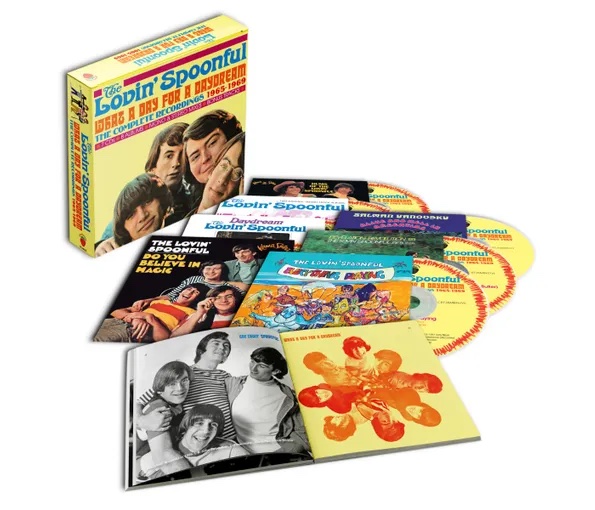
Here’s what’s in the box, which comes with a 44-page booklet containing a history of the band by Mojo Magazine’s Lois Wilson, plus photos and discographic information:
Disc 1: Do You Believe in Magic, the group’s 1965 debut LP, is here in stereo and mono. Sebastian’s title cut, a celebration of music’s power, provided a No. 9 hit, and the album also features his playful “Did You Ever Have to Make Up Your Mind?,” which went to No. 2, and the dreamy “Younger Girl,” which charted in a version by the Critters. Here, too, are several covers, including the Ronettes’ “You Baby” with Boone singing lead and an excellent version of “Other Side of This Life,” by the late, great Fred Neil, for whom Sebastian once played harmonica. Six bonus tracks include a demo of “Younger Girl.”
Disc 2: The group’s 1966 sophomore album, Daydream, in stereo and mono, dominates this disc. The LP’s sweet title cut and “Didn’t Want to Have to Do It” both made it to No. 2 on the charts, and “You Didn’t Have to Be So Nice” also entered the Top 10. Another standout, though not a hit, is Boone’s lilting “Butchie’s Tune.” Three bonus tracks include a stripped-down demo of “Daydream” that incorporates some lyrical changes.
Disc 3: This CD features the Spoonful’s largely instrumental soundtracks for Francis Ford Coppola’s You’re a Big Boy Now (1967), which consists solely of Sebastian-authored tunes, and Woody Allen’s What’s Up, Tiger Lily? (1966). Most of this material qualifies as pleasant but not essential. However, the emotive, orchestrated “Darling Be Home Soon,” a Top 20 hit, belongs in any Spoonful collection, as does the lovely “Lonely (Amy’s Theme).”
Disc 4: Stereo and mono versions of 1966’s Hums of the Lovin’ Spoonful, which embraces some of the group’s best and most commercially successful tracks, fill the majority of this LP. Among the contents are the sound-effects-enhanced chart-topper “Summer in the City,” which Sebastian wrote with his brother, Mark, and two other Top 10 hits: the sweet “Rain on the Roof” and “Nashville Cats,” a somewhat ahead-of-its-time tribute to country musicians. Six bonus tracks include two versions of the jaunty “Darlin’ Companion,” one with an alternate vocal and one in Sebastian’s original solo demo.
Disc 5: The group’s 1967 album, Everything Playing, shows up here in stereo and mono, along with three bonus tracks. The record includes three minor but memorable hits: “She Is Still a Mystery,” “Money,” and “Six O’clock,” plus the deftly written “Younger Generation” and “Old Folks,” which commented on aging well before artists like Simon & Garfunkel and John Prine weighed in on the subject.
Disc 6: Though the Lovin’ Spoonful disbanded when Sebastian quit the group after Everything Playing, Butler received permission to use its name for Revelation: Revolution ’69, a 1969 album he made with studio musicians. Featured here, it’s nowhere near as satisfying as the earlier LPs, but it has its moments, including a baroque-rock ballad called “Only Yesterday” and an amiable cover of the Turtles’ “Me About You.” Also on Disc 6 are stereo and mono versions of the Spoonful’s earliest recordings, which previously appeared on a 1966 multi-artist album called What’s Shakin’. They include two Sebastian numbers and covers of Jerry Leiber and Mike Stoller’s “Searchin’” and Chuck Berry’s “Almost Grown.” The latter elicits a particularly lively vocal by Sebastian.
Disc 7: Leaving no stone unturned, the compilers of this box include Alive and Well in Argentina, a 1968 solo effort by Yanovsky, who died in 2002. It’s a quirky, covers-dominated effort that features a few successes and more than a few missteps. The latter batch includes “Ereh Er’uoy Sa Gnol Sa,” the 12th and final cut, whose title reverses the letters in the name of track 11, “As Long as You’re Here,” and whose music apparently consists of that recording played backwards. A cover of the 1950s hit, “Little Bitty Pretty One,” is fun, though, and a version of Floyd Cramer’s instrumental “Last Date” is excellent.
If you’re old enough to have been listening to the radio when the Lovin’ Spoonful was in its prime, this box set will likely stir up lots of memories. But this is no mere nostalgia trip. More than half a century later, the lion’s share of the music in What a Day for a Daydream still sounds wonderful and fresh.
The box set is available here.
Also Noteworthy
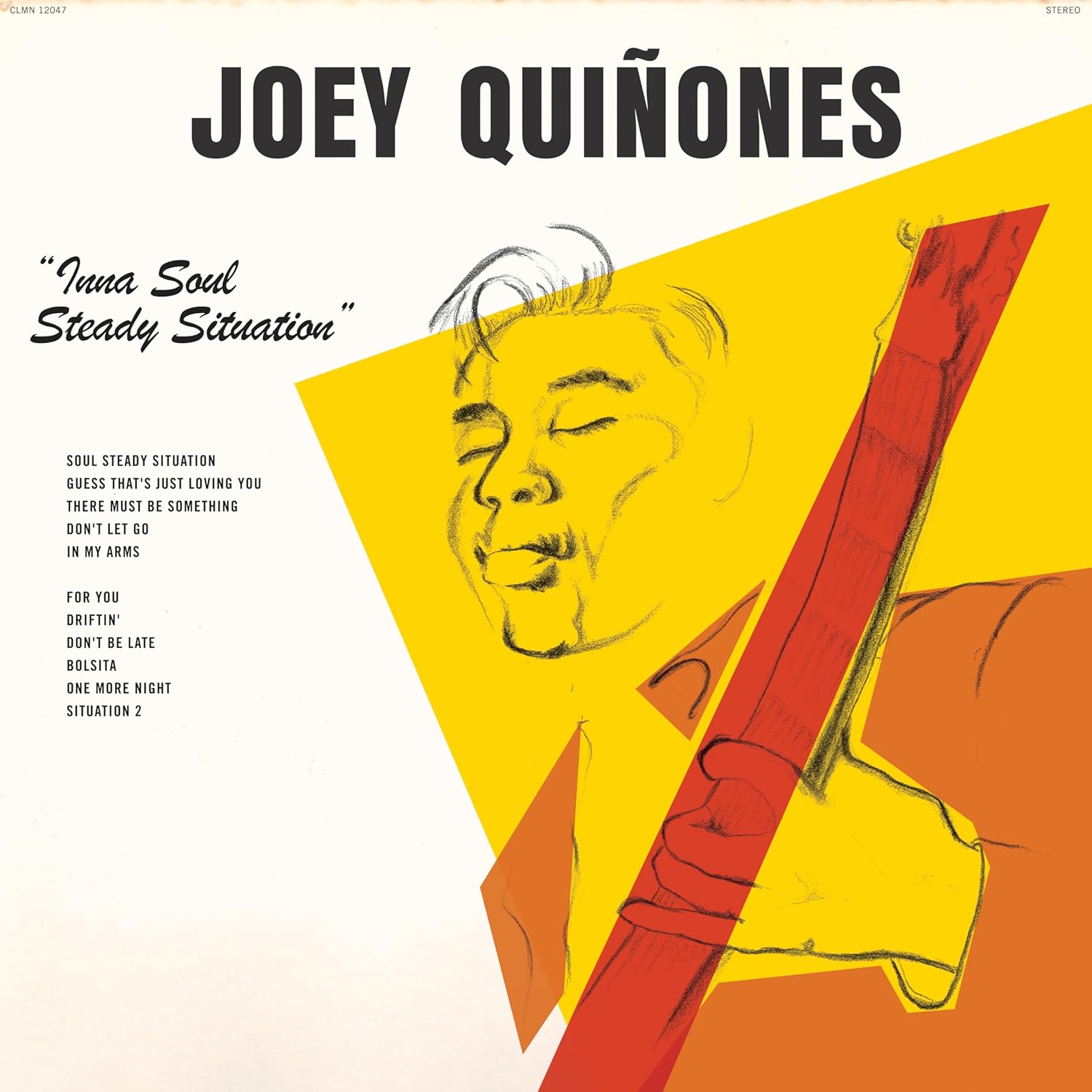
Joey Quinones, Inna Soul Steady Situation. Joey Quinones is the terrific lead singer of Thee Sinseers, a nine-member L.A.-based group whose music harkens back to 1960s Chicago and Chicano soul and acts such as Little Anthony and the Imperials, Freddie Scott, and the Jackson 5.
Like Thee Sinseers’ music, the rhythmic songs you’ll find on Quinones’s irresistible debut solo CD are soulful, but there’s a notable difference: several of the tracks on Inna Soul Steady Situation also owe big debts to reggae and ska, the result of the years the singer spent leading backing bands for Jamaican acts that visited California.
Thee Sinseers’ Eric Johnson plays sax on one cut, Christian “Elyzr” Meraz (from the New York gospel quartet Brown Boyz) contributes piano and organ to another, and backup singers show up on two tracks. With those exceptions, though, this is a one-man show. Quinones wrote and winningly produced all 11 tracks and played nearly all the instruments, including drums, bass, guitar, vibraphone, trumpet, trombone, reeds, sax, and keyboards.
The album is available here.
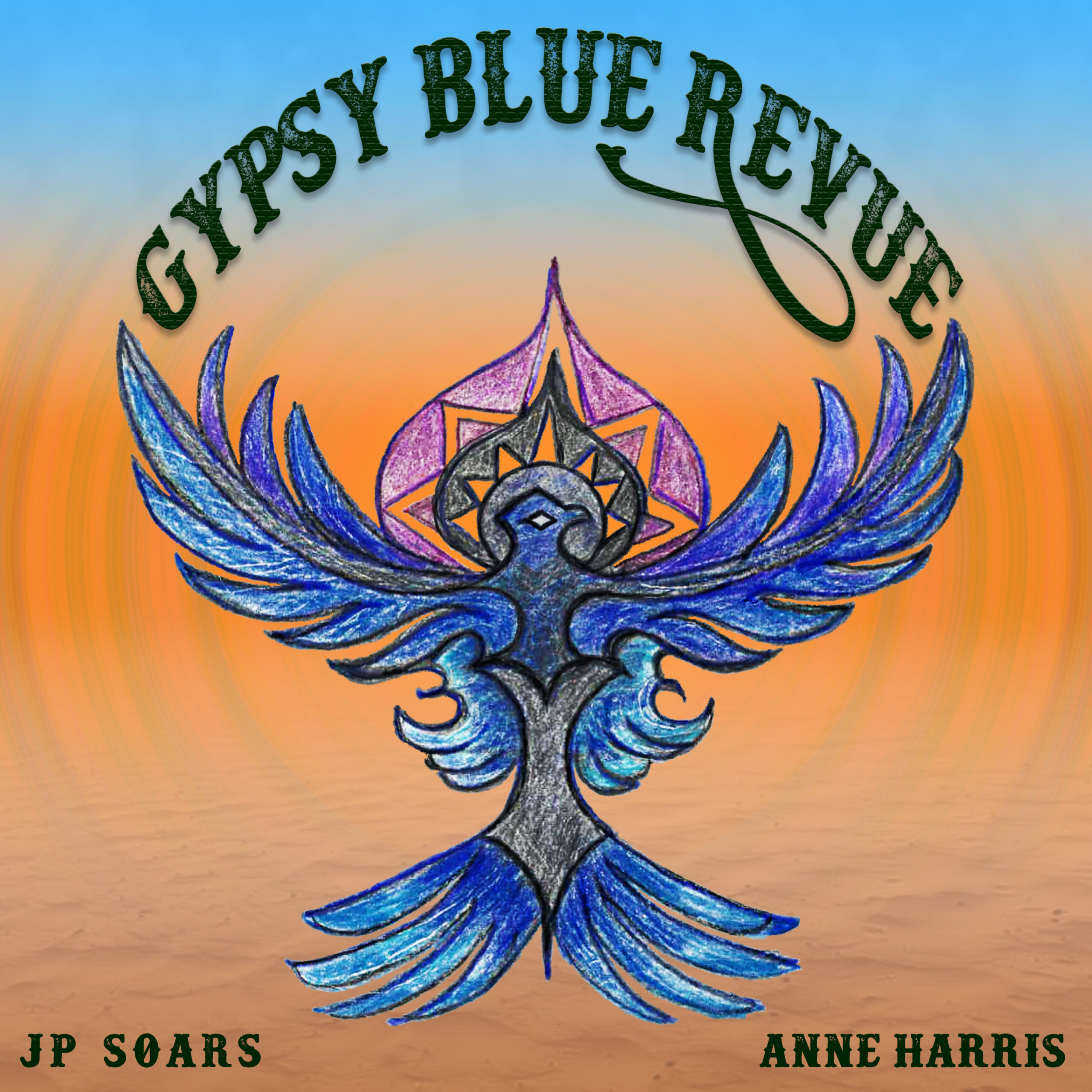
JP Soars & Anne Harris, Gypsy Blue Revue. Roots musician JP Soars teams up with violinist, singer, and songwriter Anne Harris on this album, which draws on soul, rock, jazz, and folk and whose title suggests two of its other major ingredients—blues and gypsy music. Produced by Soars, who plays multiple instruments, the album sounds as if it was recorded live in the studio, which it apparently was. You’ll be reminded of disparate artists, such as San Francisco’s It’s a Beautiful Day; Taj Mahal, with whom Harris has performed; and Django Reinhardt, whose “Minor Blues” is featured.
The best cut is “Goin’ to South Carolina,” one of seven Soars originals on the nine-track album, which seems like something Hot Tuna could have delivered. Another standout is “Cigar Box Jam,” the high-energy, 18-and-a-half-minute instrumental that closes the album.
The album is available here.
Discover more from By Jeff Burger
Subscribe to get the latest posts sent to your email.

