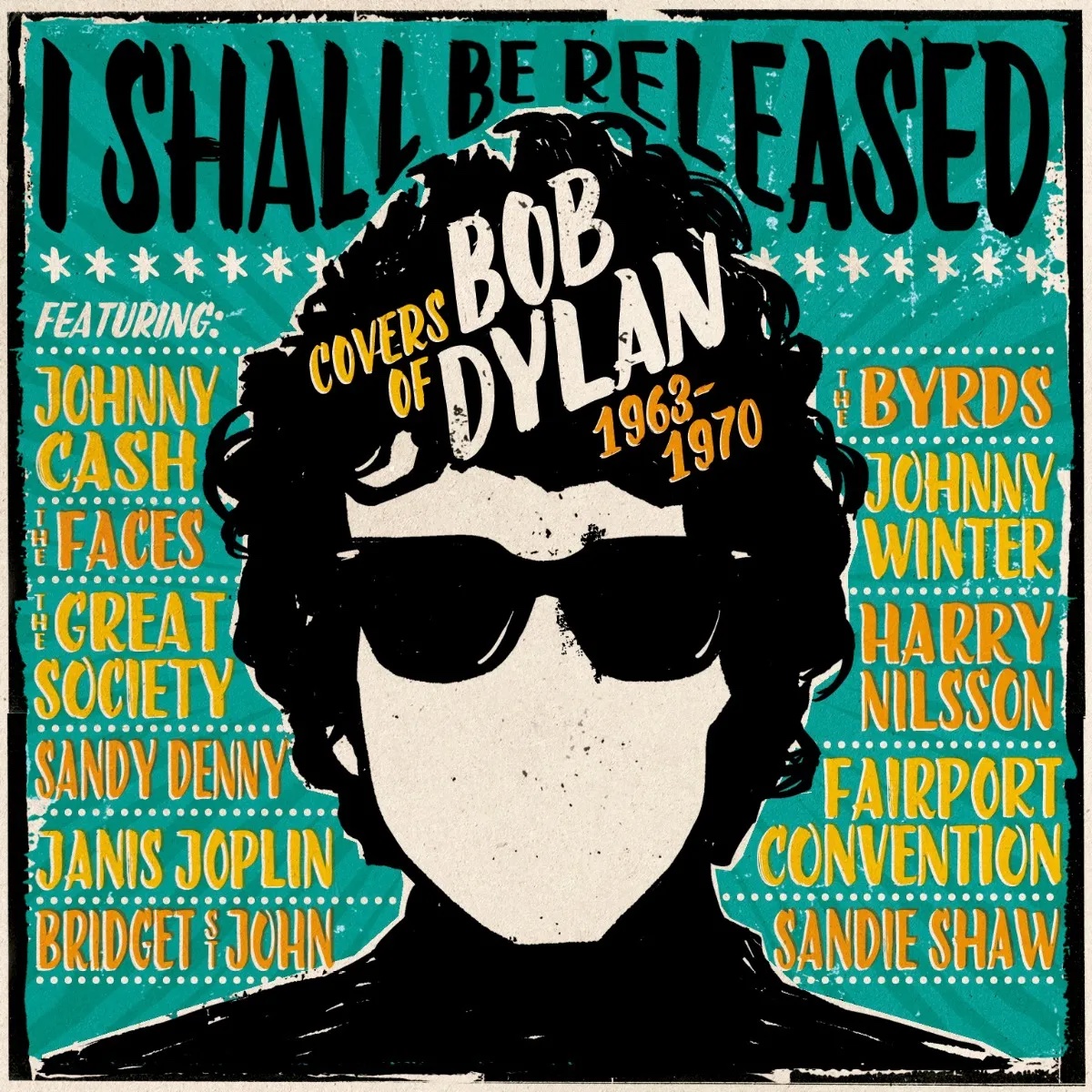
Since Bob Dylan is arguably the best and most important songwriter of the entire rock era, it’s not surprising that his tunes show up on countless albums by other artists, including many that consist entirely of his compositions. This writer’s collection includes more than 800 Dylan covers, and while not all of them hit their marks, they virtually all start with a built-in advantage: great material.
That’s certainly the case with the new I Shall Be Released: Covers of Bob Dylan 1963–1970, a three-CD set that embraces songs Dylan wrote during the fertile period mentioned in the title. (Some of the tracks were recorded or released later, however.) The collection features 63 numbers, including seven each from Bringing It All Back Home and John Wesley Harding; six from The Basement Tapes; five each from The Freewheelin’ Bob Dylan, Blonde on Blonde, Highway 61 Revisited, and New Morning; four from Another Side of Bob Dylan and Nashville Skyline; and two from The Times They Are A-Changin’. An additional 13 covers consist mostly of tunes that first appeared on singles and anthologies.
Given the richness of Dylan’s catalog, it was inevitable that, even with 63 tracks and a focus on a mere eight-year period, many classic compositions didn’t make the cut. Nor does this box fit in many of the best-known covers of his material. This is not the place to look, for example, for Peter, Paul & Mary’s “Blowin’ in the Wind,” Manfred Mann’s “The Mighty Quinn (Quinn the Eskimo),” or the Byrds’ “Mr. Tambourine Man” (though two covers by that latter group are on the program).
There are a few relatively well-known performances, such as Johnny Winters’s kinetic rendition of “Highway 61 Revisited” and Mike Bloomfield, Steve Stills, and Al Kooper’s reading of “It Takes a Lot to Laugh, It Takes a Train to Cry.” But what we largely have here are obscure recordings, some by well-known artists and some by performers who have attracted much less attention than the songs they’re covering.
The good news is that the quality of most of these tracks is high. You will find the occasional clunker, such as an ill-conceived “I Am a Lonesome Hobo” by Julie Driscoll, Brian Auger & the Trinity, and a lackluster “The Mighty Quinn” by (believe it or not) the 1910 Fruitgum Company. But a short-lived British group called Canticle delivers a fine, infectious take on “Like a Rolling Stone,” while folksinger Glenn Yarbrough’s tenor proves an excellent match for “Tomorrow Is a Long Time.” The Orange Bicycle, another ephemeral band, successfully transforms “Tonight I’ll Be Staying Here with You” from country into soul-tinged psychedelia, and the Hollies add their trademark harmonies to “The Times They Are A-Changin’.” And those are just a few of the many highlights.
If you’re a Dylan fan, this eclectic box is a great place to go treasure hunting.
The box set is available here.
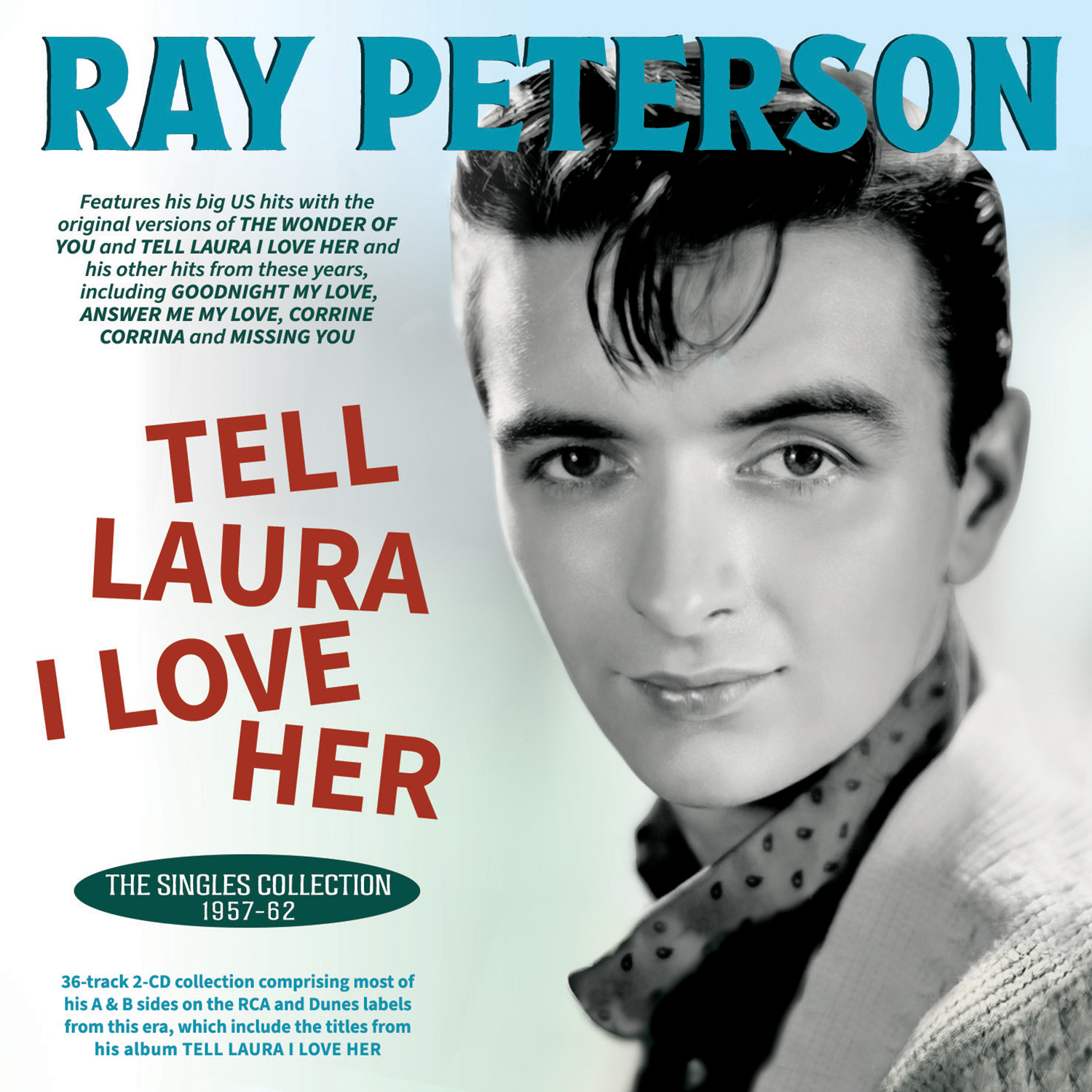
An Anthology from the Underappreciated Ray Peterson
The late Ray Peterson, who enjoyed his biggest successes in the years covered by a new anthology, had several strikes against him. For one thing, he became associated with what is widely considered a fallow period for popular music—the time after Buddy Holly died and Elvis entered the Army and before the Beatles took off. And while Peterson dabbled in rockabilly and country, he specialized mostly in sappy, strings-spiced torch ballads that reinforced his connection to that era.
That said, he was a fine singer with an operatic, four-octave voice. And while some of his material didn’t do much to show it off, the bulk of his late ’50s and early ’60s recordings put him in a league with singers like Gene Pitney, Lou Christie, Del Shannon, and, occasionally, even Roy Orbison.
Tell Laura I Love Her: The Singles Collection 1957-62 will leave you with the sense that Peterson has been underappreciated. The two-disc, 36-track anthology includes the three singles for which he is most known. One is “Corinne, Corinna,” a Top 10 hit in 1960 that has the distinction of having been beautifully produced by Phil Spector. Another is “Tell Laura I Love Her,” which also made the Top 10 that year and was among the most successful of the teenager death songs that proliferated at the time. Though a third track, 1959’s “The Wonder of You,” didn’t sell as well, it is remembered because Peterson’s superb vocal inspired Elvis Presley to record his hit version of the tune.
Many of the lesser-known numbers in this set are just as impressive. Among them: “Be My Girl,” the B-side of “Corrina, Corrina,” which Spector also produced, and readings of “Answer Me, My Love,” the Nat King Cole song, and “Goodnight My Love,” the often-covered number that provided a 1956 hit for Jesse Belvin. These sorts of pop ballads may seem dated today, but they leave no doubt about the size of Peterson’s talent.
The album is available here.
Also Noteworthy
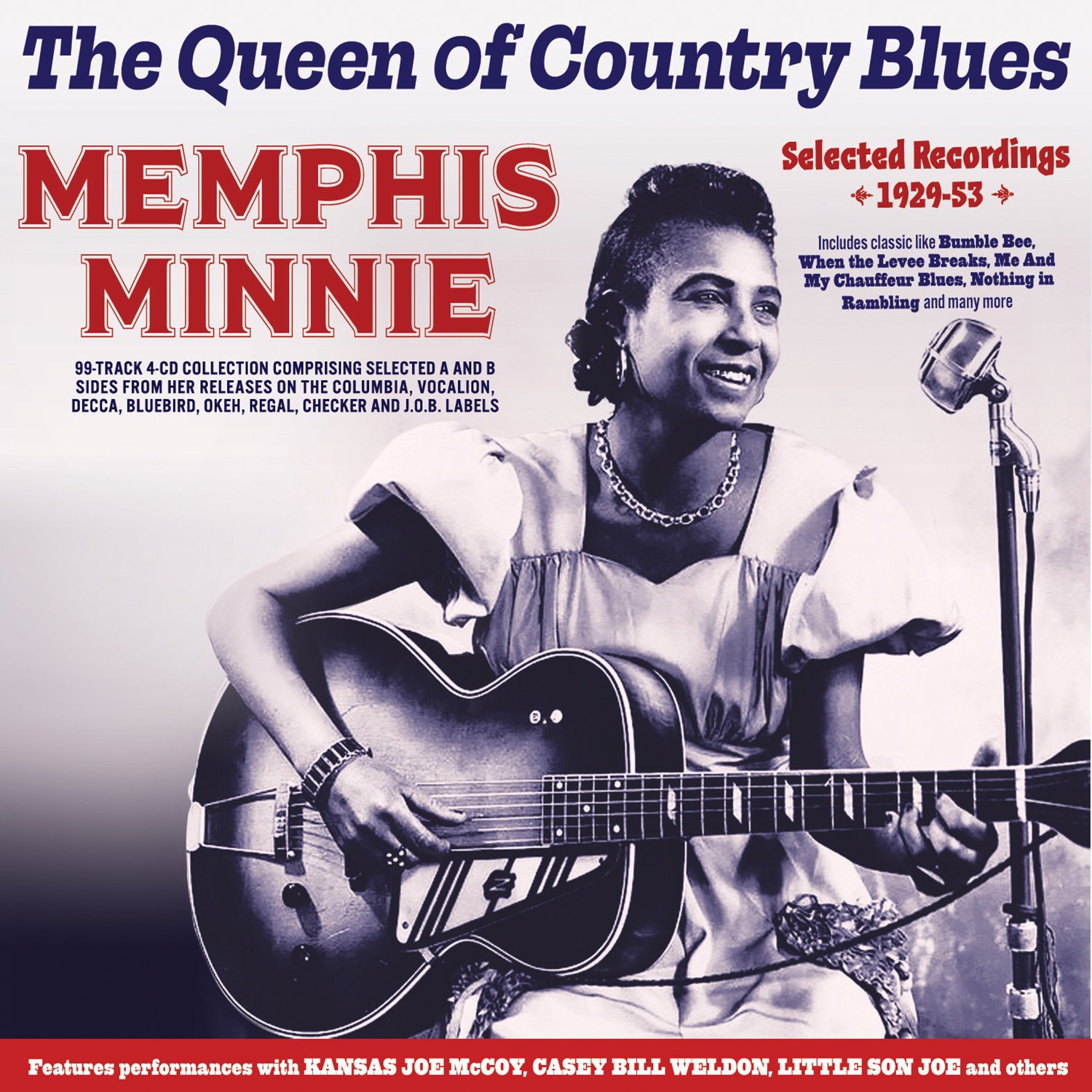
Memphis Minnie, The Queen of Country Blues: Selected Recordings 1929-53. They didn’t call her the queen of the country blues for nothing. Minnie, who died in 1973 at age 76, was a trailblazing and influential guitarist and singer who wrote or co-wrote many of the hundreds of songs she recorded. Among them are “Me and My Chauffeur,” which has been covered by Jefferson Airplane and lots of other artists, and “When the Levee Breaks,” which Led Zeppelin adapted and featured on its fourth LP.
This four-CD set, which embraces material from eight labels, includes both those songs and 97 others. It covers the period from 1929, when Minnie made her first recordings, to 1953, when her health and career began to decline. On track after track, you’ll hear evidence of why Bob Dylan has called her “one of the great guitarists and singers.”
The album is available here.
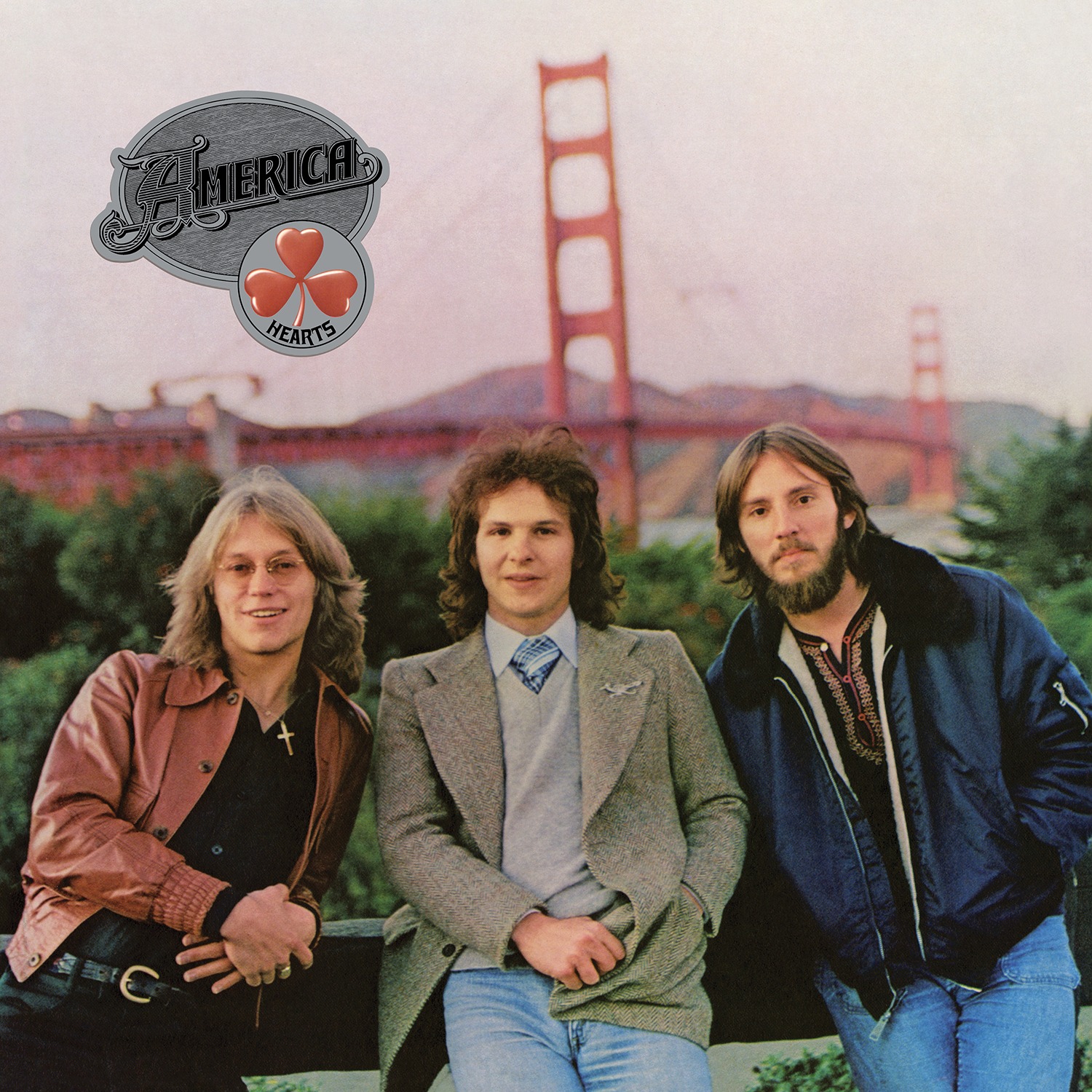
America, Hearts (50th-anniversary edition). Hearts, which came out in 1975, was America’s fifth studio album and the second to be overseen by Beatles producer George Martin. Besides reaching No. 4 on Billboard‘s chart, the folk/pop LP yielded three hit singles: the atypically hard-rocking “Woman Tonight,” the violin-spiced ballad “Daisy Jane,” and the catchy, chart-topping “Sister Golden Hair,” which opens with guitar work reminiscent of George Harrison.
A new 50th-anniversary edition of the album features a remaster of the original 12-song record, plus alternate versions of half its tracks, including a Spanish rendition of “Sister Golden Hair.” A few selections, such as “Half a Man,” feel like filler, but there’s much more to savor here than the hits. The folky “Old Virginia” and “Bell Tree,” for example, are sweet ballads that provide fine showcases for America’s harmony vocals.
The album is available here.

Various artists, A Tribute to the King of Zydeco. Louisiana native Clifton Chenier, who died in 1987 at age 62, was a master accordionist who has been called the King of Zydeco, a musical form that melds Cajun and Creole music with R&B and blues. Chenier’s name might ring no bells with most of today’s popular music fans, but many leading musicians know and admire his work.
For evidence of that, just look at the star-studded performer list on this tribute album. Issued on the centennial of the Grammy-winning Chenier’s birth, it offers rousing renditions of some of his best-known songs by artists such as the Rolling Stones, Steve Earle, Taj Mahal, Lucinda Williams, John Hiatt, and Los Lobos’s David Hidalgo. Also on the program is CJ Chenier, Clifton’s son, who played a large role in his father’s band and has also been featured on such albums as Paul Simon’s The Rhythm of the Saints.
The album is available on vinyl here and on CD here.
Discover more from By Jeff Burger
Subscribe to get the latest posts sent to your email.
 By Jeff Burger