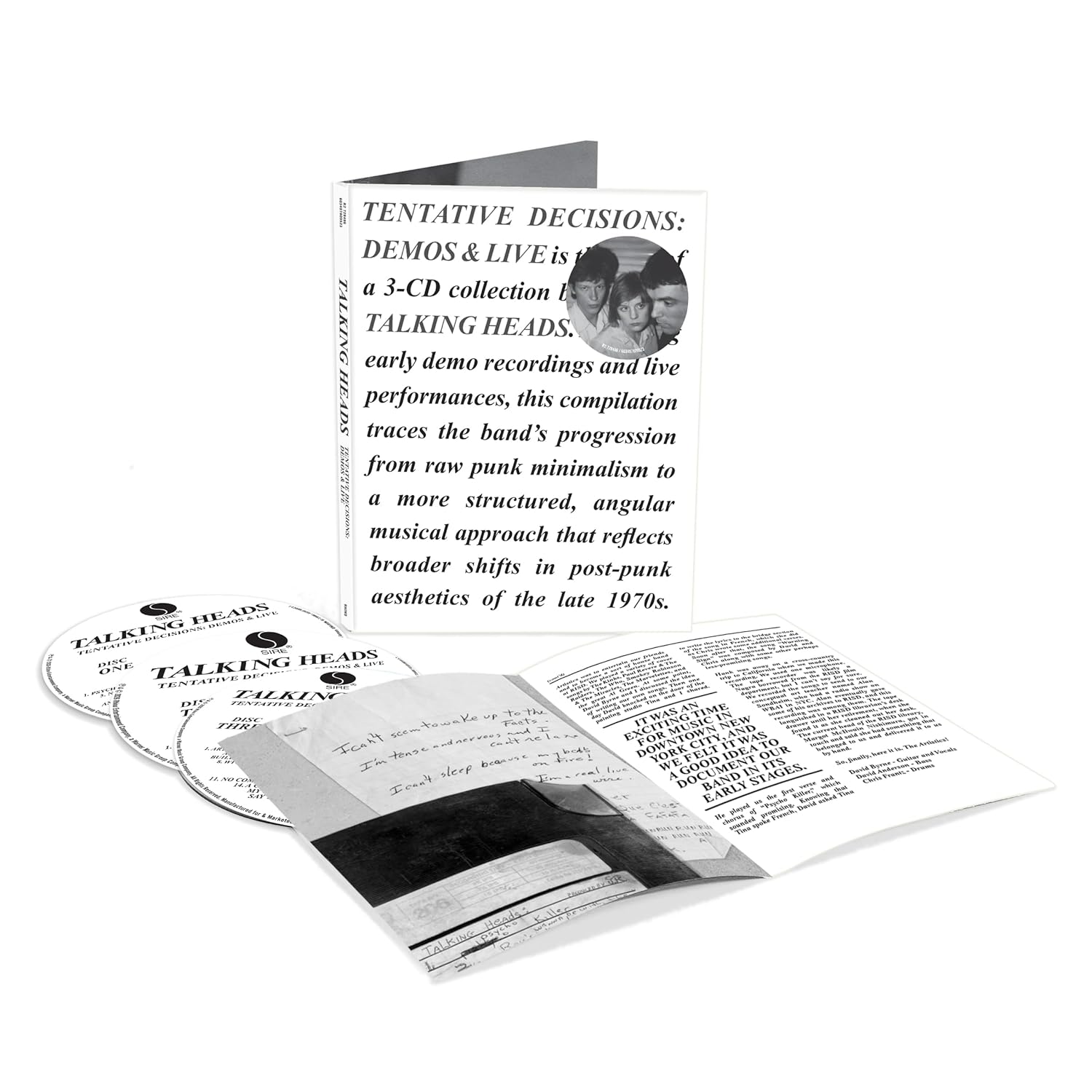
You can point to obvious antecedents for many new wave and punk bands. In Blondie’s music, for example, you can hear the influence of so-called girl groups from the 1960s. You can also draw a straight line from the Ramones to several hits from that decade, such as Chris Montez’s “Let’s Dance” and the Rivieras’ “California Sun,” both of which they covered.
But what about Talking Heads? Starting with Talking Heads:77, its debut LP, it was clear that this outfit marched to the beat of its own drummer, not to mention its own frenetic lead singer, David Byrne. How on earth (or elsewhere!) did this group’s sound originate, and how did it evolve?
Though a new three-CD box set called Tentative Decisions: Demos & Live surveys the band’s earliest years, it doesn’t answer those questions. That’s because these seminal tracks suggest that Talking Heads’ music was already rather well developed by the time somebody first hit the record button.
True, the group later tweaked tempos, inflections, and more, and the performances collected here are somewhat less polished and forceful than the ones on Talking Heads’ debut and sophomore LPs. As this box makes clear, however, most of the songs on those albums had not only been composed but whipped into pretty good shape several years before the band garnered widespread attention. Even on its earliest demos, the Talking Heads’ trademark sound is mostly in place, as are many of the arrangements, and Byrne already comes across as the “tense and nervous” misfit he personifies in the first album’s classic “Psycho Killer.”
That said, serious fans will likely appreciate this collection, which includes most of the songs that surfaced on Talking Heads’ first two LPs. The tracks primarily date from 1975 and 1976, when the band was still a trio consisting of Byrne, Chris Franz, and Tina Weymouth. (Jerry Harrison, a veteran of Jonathan Richman’s Modern Lovers, joined them in January 1977.) There are 25 demo recordings from these years, 15 of which were previously released. There are also two previously available numbers from 1974, when the group billed itself as the Artistics.
The remaining 18 tracks, all previously unreleased, come from early concerts at three now-defunct venues. There are 10 songs from an October 1976 gig at New York’s Max’s Kansas City, five from a January 1977 concert at the Jabberwocky Club in Syracuse, N.Y., and three from an August 1976 show at New York’s Lower Manhattan Ocean Club. Like the demos, these performances include many songs that would show up on the debut and sophomore albums, but there are also a pair of covers that you could previously find only on bootlegs: Richman’s “Pablo Picasso” and—believe it or not—the 1910 Fruitgum Company’s “1, 2, 3 Red Light.”
The album is available on vinyl here and on CD here.
Also Noteworthy
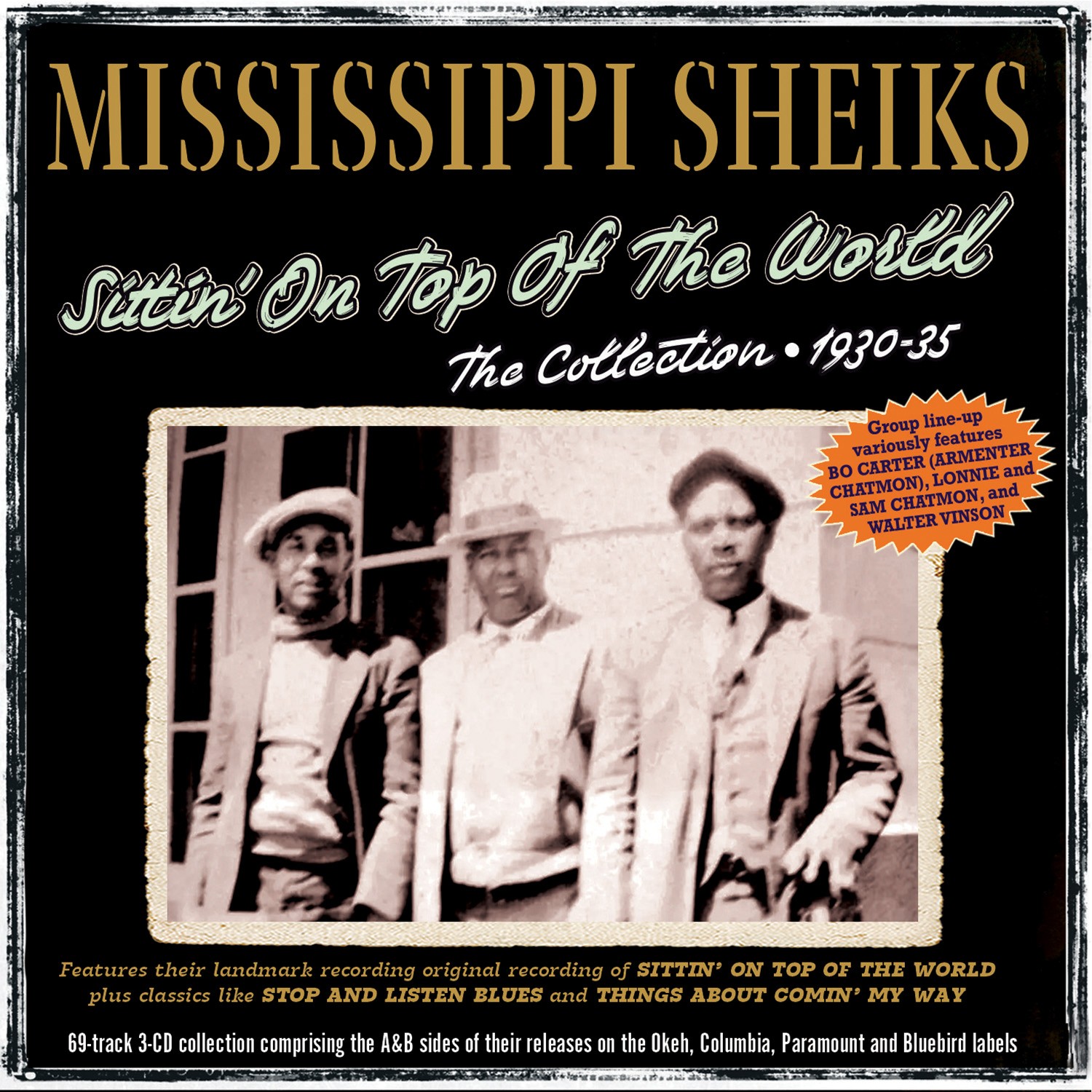
Mississippi Sheiks, Sittin’ On Top of the World: The Collection 1930–35. The family-based Mississippi Sheiks laid down only about six dozen tracks in their recording career, which lasted just from 1930 to 1935. Still, this country-blues-based string band left an indelible mark. Their songs—particularly this anthology’s classic, multimillion-selling title track—have been recorded by countless artists, and they were the subject of a 2009 tribute album called Things About Comin’ My Way.
You’ll find nearly all the group’s original recordings on this three-CD, 69-track anthology, which collects both sides of their releases for four labels and finds them drawing on pop, foxtrots, waltzes, traditional country, and more. Among the highlights are “I’ve Got Blood in My Eyes for You” and “The World Is Going Wrong,” both of which Bob Dylan covered on his 1993 album, World Gone Wrong; “Jail Bird Love Song,” which is redolent of the contemporaneous Jimmie Rodgers; and “Stop and Listen Blues,” one of the group’s bestsellers.
The sound quality of most of these nearly century-old tracks is excellent, though a few could have benefitted from today’s record-restoration technology.
The album is available here.
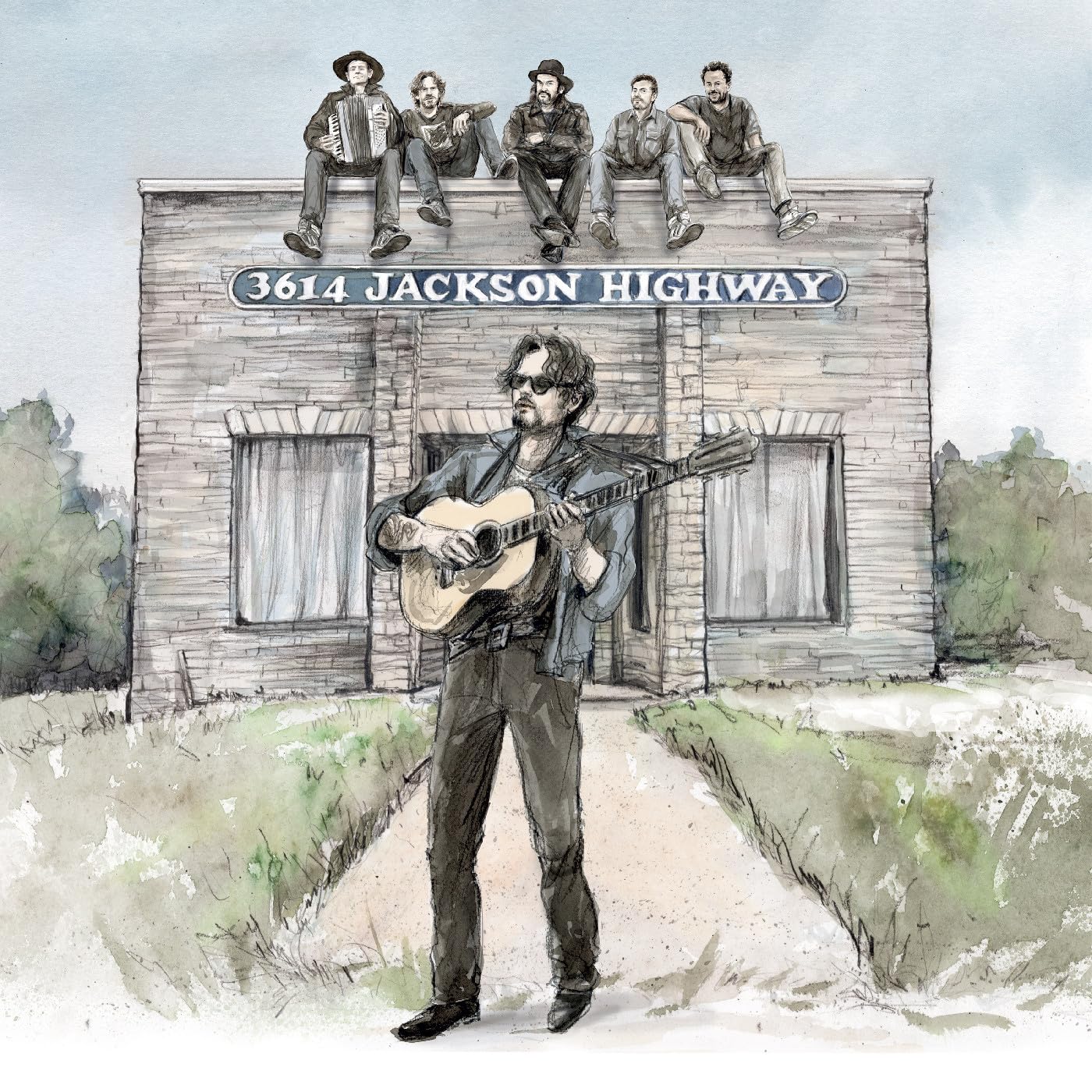
Jesper Lindell, 3614 Jackson Highway. Jesper Lindell lives in his native Sweden, but his heart is apparently almost 5,000 miles away, at Alabama’s famed Muscle Shoals Sound Studio. That’s where he recorded all but one of this album’s tracks. (The studio’s address, by which it is widely known, provided the title for the record as well as for a 1969 LP by Cher.)
It’s a fine album, thanks to Lindell’s soulful vocals, which sometimes recall Otis Redding; a talented, brassy backup crew; and a stellar song list. Consisting of covers of classics that were also recorded at Muscle Shoals, it includes three numbers written or co-written by the great Dan Penn: “If Love Was Money,” “Rainbow Road,” and “She Aint Gonna Do Right.” Rounding out the program are Tony Joe White’s “Rainy Night in Georgia,” the 1969 Brook Benton hit, and “I’ve Got a Thing About You, Baby”; the Staples’ “Respect Yourself” and “Heavy Makes You Happy”; Willie Nelson’s “Pretend I Never Happened”; and Mentor Williams’s “Drift Away,” the 1973 Dobie Gray hit.
Lindell left no doubt of his compositional talents on his earlier albums, Everyday Dreams, Twilights, and Before the Sun. But the covers side trip on this fourth LP is most welcome.
The album is available on vinyl here and on CD here.
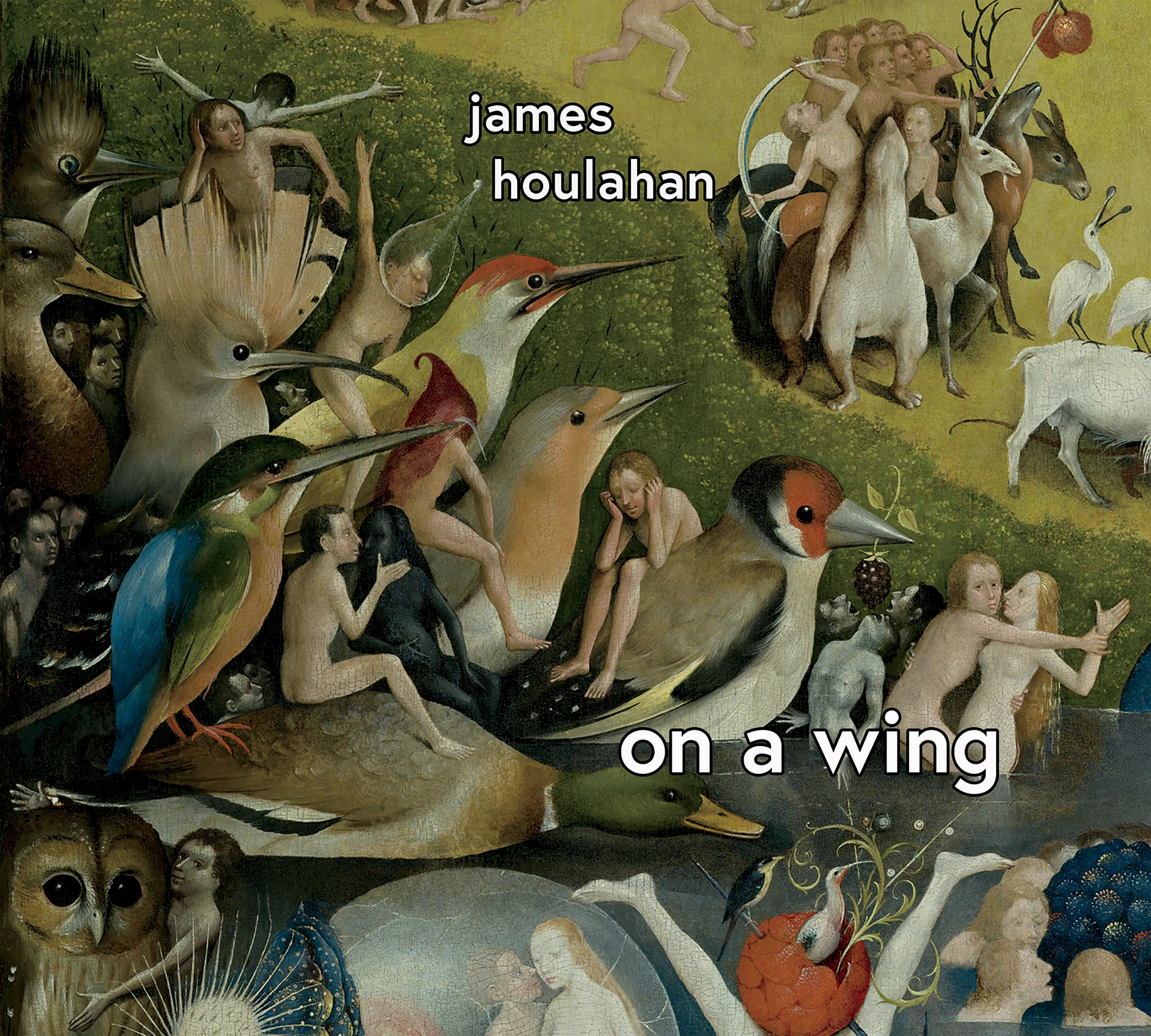
James Houlahan, On a Wing. Creatures in flight serve as metaphors in many of the songs on this seventh album from Los Angeles–based singer, songwriter, and guitarist James Houlahan, which explains its title. Produced by frequent collaborator Fernando Perdomo, the artist’s first record since 2022’s Beyond the Borders contains seven originals plus versions of Richard Farina’s “Joy ‘Round My Brain,” Willy Mason’s “Carry On,” and the traditional “The Cuckoo Bird.” Perdomo plays keyboards, and other musicians add instruments ranging from mandolin, flute, and autoharp to electric sitar, mandocello, and drums.
The Farina cut isn’t the only joyous, upbeat number here, but several of the most musically satisfying tunes limn moody, suffering characters. The best track is the atmospheric “All Night,” in which the song’s “mixed up…confused” protagonist receives a visit from a friend with “a sweet smile and a bottle of gin” and reports that “we stayed up all night, didn’t talk about you.” Another winner is the lilting, midtempo “Lucinda,” in which the singer mentions the grave of the song’s namesake and confides, “I’ve got no more tears to cry.”
The album is available here.
Discover more from By Jeff Burger
Subscribe to get the latest posts sent to your email.
 By Jeff Burger