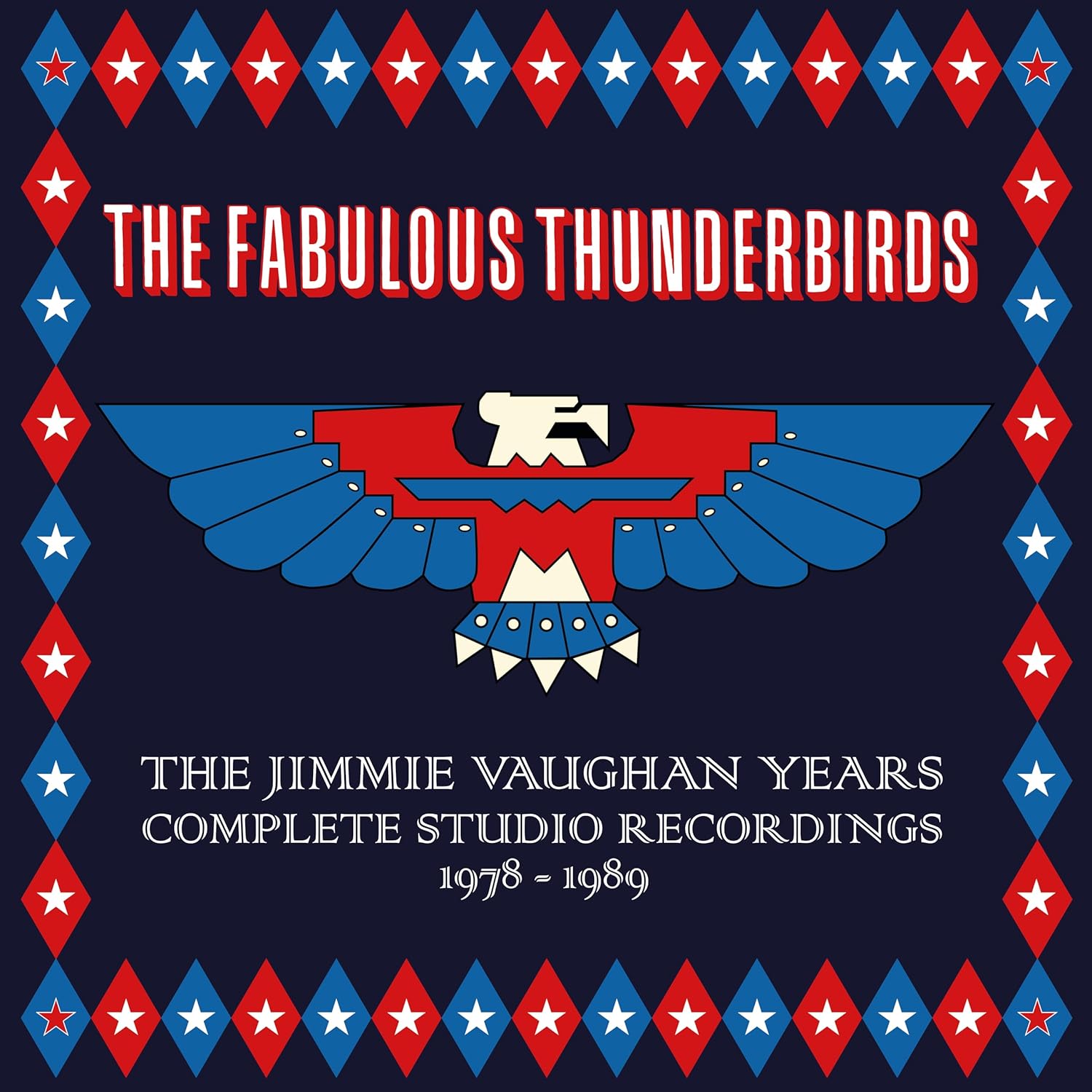
The Jimmie Vaughan Story, a limited-edition five-CD set released in 2021, includes performances from every stage of the Austin, Texas–based blues-rock guitarist and singer’s career. If you missed that compendium or want more, however, you can find it in The Jimmie Vaughan Years: Complete Studio Recordings 1978–1989.
This new four-CD set, which contains five hours of music, features Vaughan’s work with the Fabulous Thunderbirds, the blues, rock, and R&B group he co-founded in 1974 with singer and harmonica player Kim Wilson. (Vaughan left the band in 1990 to play with his brother, Stevie Ray Vaughan. He launched a solo career after Stevie’s death.) Only about two dozen numbers from The Jimmie Vaughan Story are duplicated in the new, 139-track collection, which comes with a generously illustrated, LP-sized hardcover book. It includes notes on the recordings by critic Bill Bentley and extracts from interviews with Vaughan, Wilson, and others.
The first 13 tracks in the new set are among the most notable. Recorded in 1978 with the Roomful of Blues horn section, they are all previously unissued and produced by Joel Dorn and Doc Pomus, who began his career as a blues singer before achieving fame as the writer of numerous pop and rock classics. Also featured on Disc One is the Fabulous Thunderbirds’ eponymous debut LP, a powerful mix of covers and originals that first appeared in 1979.
Disc Two adds What’s the Word? and Butt Rockin’, from 1980 and 1981, respectively, while a third CD offers 1982’s T-Bird Rhythm, which Nick Lowe produced, and 1986’s Tuff Enuff, the band’s bestselling album, whose title cut became its only Top 10 hit. The final CD delivers Hot Number, from 1987, and Powerful Stuff, which appeared in 1989. Dave Edmunds, who played with Lowe in Rockpile, produced Tuff Enuff and Hot Number.
Not everything on these Fabulous Thunderbirds albums is fabulous, and the later albums are particularly weak, with a surfeit of formulaic, mainstream blues rock. But Vaughan and Wilson can be formidable singers and players, and, particularly on the early LPs—the ones they recorded before they seemingly began making concessions to commercialism—they and their bandmates deliver more than a few high-octane winners.
The album is available here.
Also Noteworthy
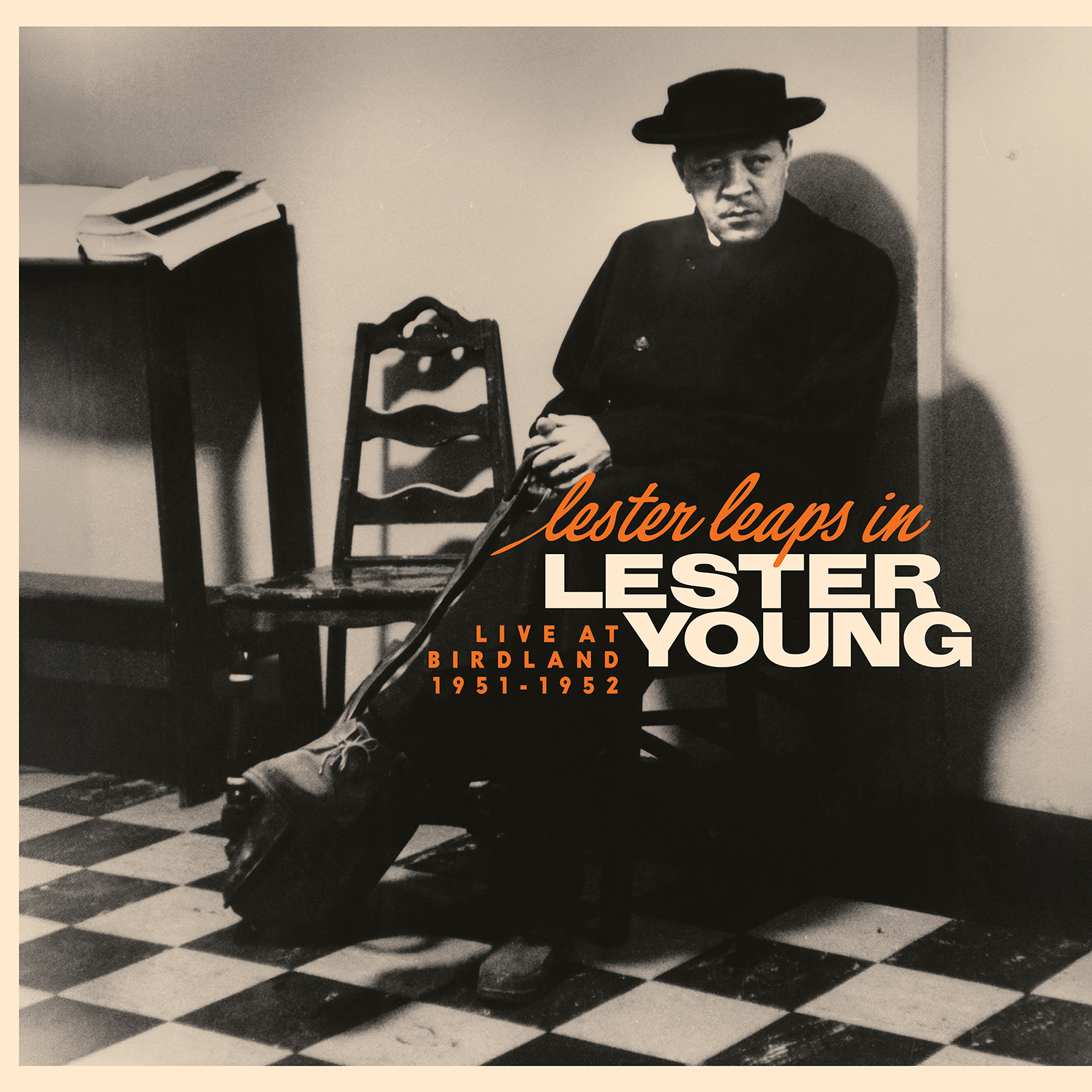
Lester Young, Lester Leaps In: Live at Birdland 1951–1952. The late, great tenor saxophonist Lester Young “showed that understatement was compatible with swinging, that cool and hot could coexist, that a lope instead of a gallop might bring you first to the finish line.” So wrote Geoffrey C. Ward and Ken Burns in Jazz, the book companion to their 2001 PBS series on the genre.
One of many places to look for evidence of the strengths noted by Ward and Burns is Lester Leaps In: Live at Birdland 1951–1952, which comes with a booklet that includes lengthy notes by jazz historian Scott Yanow. The 41-minute program features eight previously unreleased tracks recorded on four dates at New York City’s famed Birdland club for the influential Jumpin with Symphony Sid radio show.
Backed by first-rate musicians—such as drummer Jo Jones and pianists Cyril Haynes and John Lewis (who went on to become musical director of the Modern Jazz Quartet)—Young offers eight impeccably crafted performances. They include his own “Lester Leaps In,” “Up and Atom,” and “Neenah,” as well as fine readings of such standards as “These Foolish Things” and “How High the Moon.”
The album is available here.
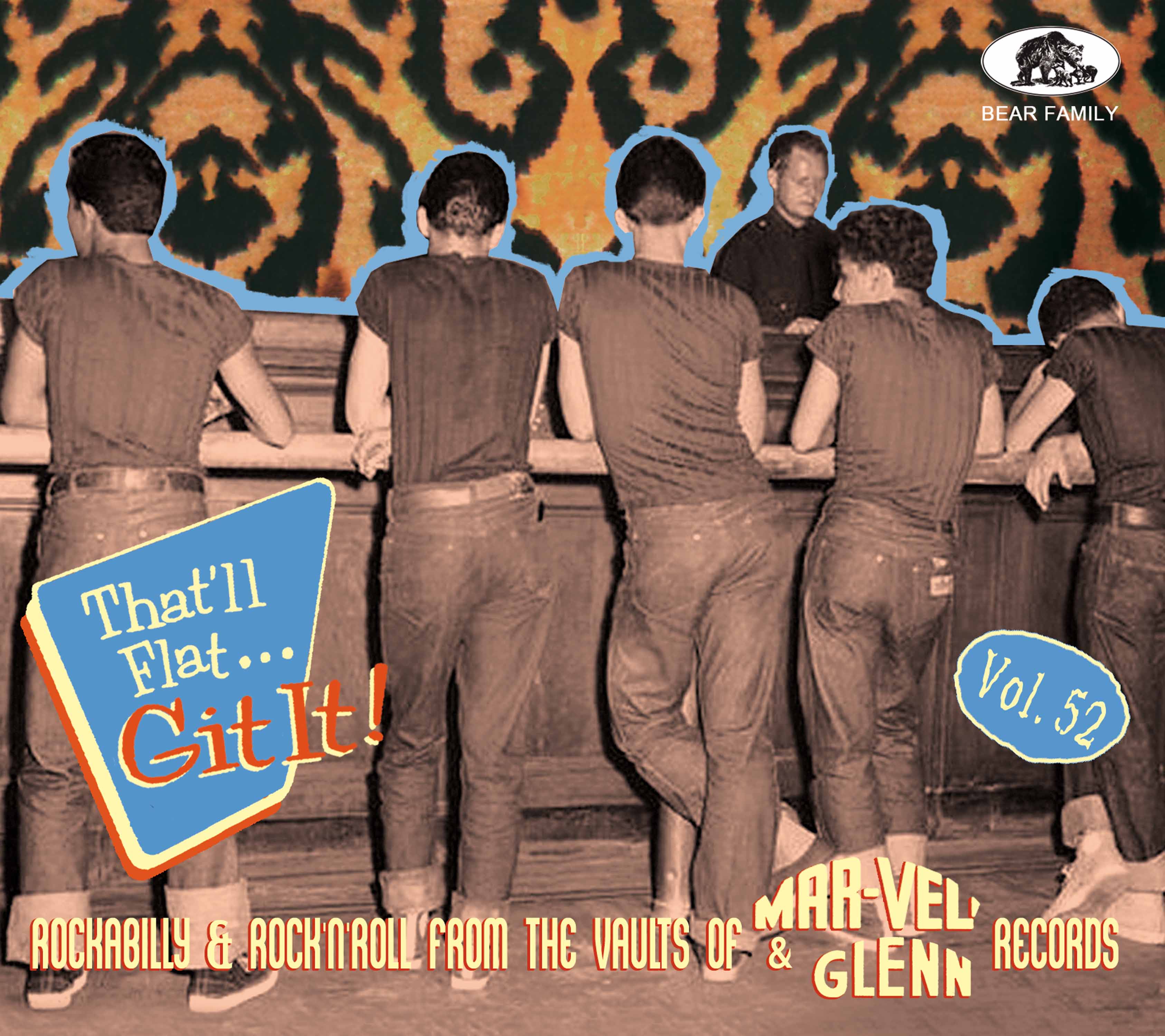
Various artists, That’ll Flat…Git It!, Vol. 52: Rockabilly & Rock ‘n’ Roll from the Vaults of Mar-Vel & Glenn Records. During its mid-1950s heyday, rockabilly and rock ‘n’ roll influenced by that genre produced only a handful of major hits. However, the music was hugely influential, and there was a whole lot more of it than national audiences ever heard. For evidence of that, look no further than the Bear Family label’s mindbogglingly massive That’ll Flat…Git It! series, which has so far encompassed 52 volumes and more than 1,500 tracks.
This latest set—which, like its predecessors, comes with a booklet with copious liner notes—focuses on material from northern Indiana’s Mar-Vel label and its Glenn Records subsidiary. Many of the album’s 36 remastered tracks, all recorded between 1953 and 1967, help explain why the term “rockabilly” represents a combination of “rock” and “hillbilly.”
The label’s best-known acts, Jack Bradshaw (“Naughty Girls”) and Bobby Sisco (“Honky Tonkin’ Rhythm,” “Now I’m Free”) turn in creditable, country-influenced performances, but many of the other performers here are just as impressive. Among the numerous highlights: “Move Over Rover,” by Billy Hall, which borrows the concept and some of the lyrics from Hank Williams’s “Move It on Over”; “Moon Twist,” which features raucous guitar and sax and is dedicated to astronaut John Glenn; Herbie Duncan’s frenetic “Hot Lips Baby”; and “Oh Ricky,” by the Gaye Sisters, a duo who sound like a cross between the Everly Brothers and the Chordettes.
The album is available here.
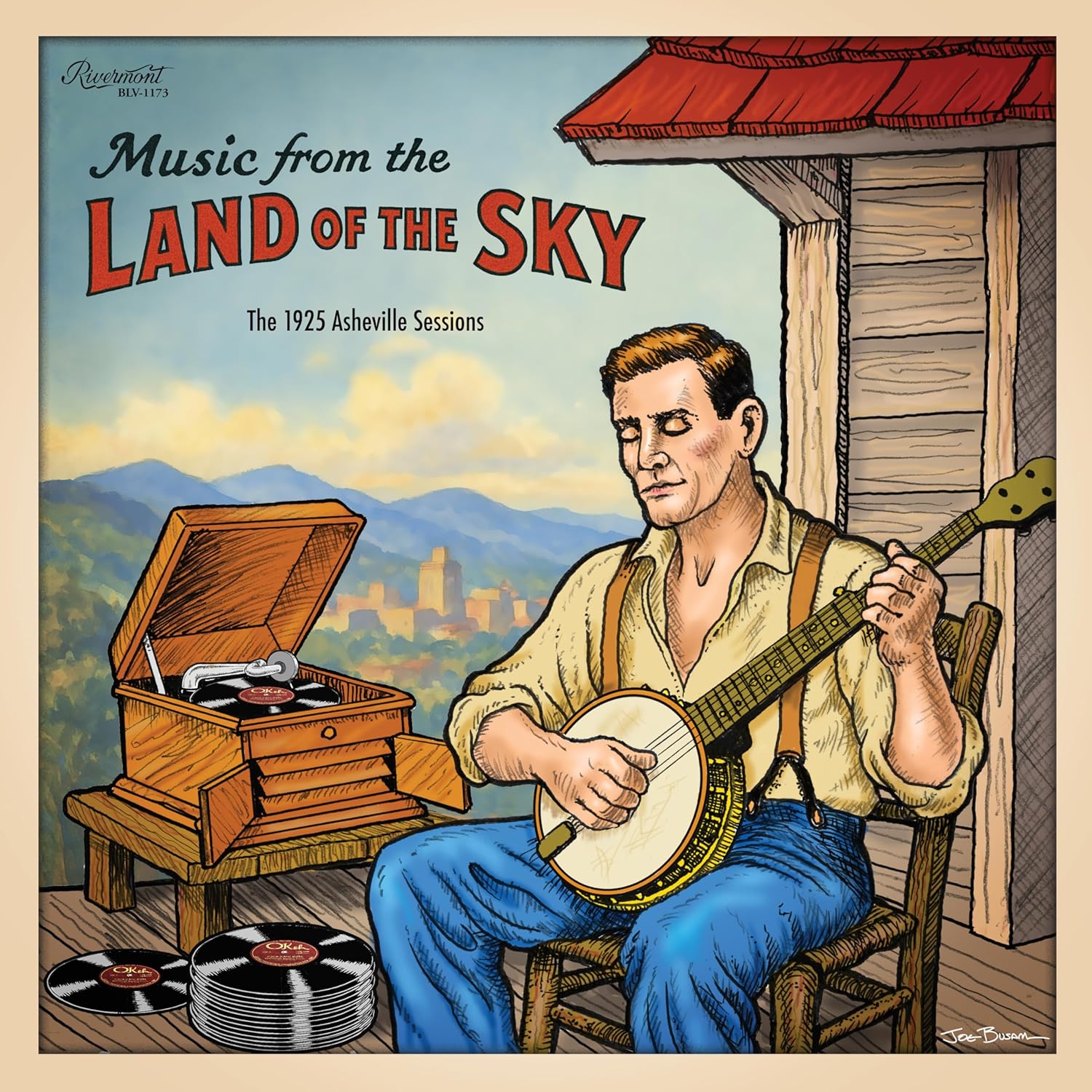
Various artists, Music from the Land of the Sky: The 1925 Asheville Sessions. Recorded by famed producer Ralph Peer, these century-old tracks represent the first commercially issued music from Appalachia. As the liner notes indicate, the performances have been little noticed until now “because of their rarity and the technological limitations of the acoustic recording process.” Indeed, these tracks were so poorly recorded and preserved that previously available versions have been practically unlistenable.
Spend even a little time with those versions, and you’ll appreciate what a terrific restoration job co-producer Bryan S. Wright has done. Though the metal masters apparently no longer exist, he managed to procure relatively clean copies of most of the tracks for digital transfer. He was then able to correct playback speeds and get rid of many of the clicks, pops, and other shortcomings of the 78 rpm originals. Though it would have been impossible to eliminate all surface noise without also negatively affecting the music, the improvements are dramatic.
The album’s 28 tracks offer a reminder of the richness of early Appalachian music, as well as its diversity. In addition to country ballads, instrumentals, and folk songs, you’ll find jazz, pop, vaudevillian music, and more from pioneers such as Ernest V. Stoneman, Emmett Miller, and the Carson Brothers. Adding immeasurably to the package is a 128-page hardcover book that includes essays by Wright and co-producers Ted Olson and Tony Russell, biographies of all the performers, and lyrics to every track.
The album is available on vinyl here and on CD here.
Discover more from By Jeff Burger
Subscribe to get the latest posts sent to your email.
 By Jeff Burger