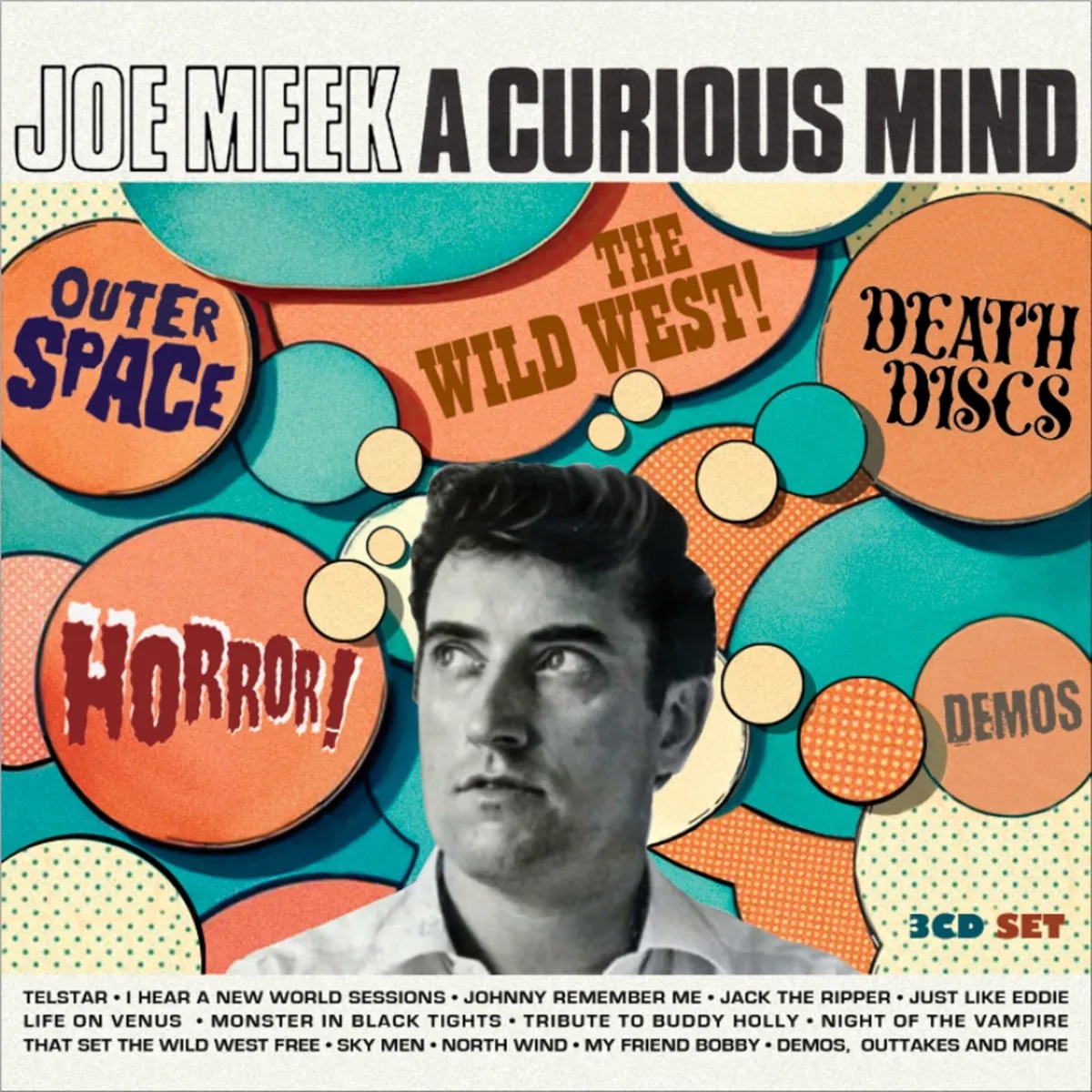
The late music producer Joe Meek has often been called England’s answer to Phil Spector, and the comparison is apt. Both men created their greatest work in the 1960s, and both viewed the recording studio as if it were as important as the singers or their instruments. The final chapters of their lives also included parallels: both committed murders and came to sad ends, with Spector dying in prison and Meek by suicide.
Such similarities notwithstanding, though, there were important differences between the two. One was that while Spector aimed virtually all his songs at teenagers and consistently delivered catchy, radio-friendly tales of young romance, Meek built a much more varied catalog. He clearly offered his share of teen-oriented pop, but he also liked to venture outside the mainstream. He had a penchant for strange novelty songs, odd sound effects, and numbers that dealt with the occult, outer space, and life on other planets.
Those preoccupations play a large role in Joe Meek: A Curious Mind, the latest in a series of anthologies devoted to the producer’s work. The three-CD collection contains 82 selections, most of them written by Meek and many of them performed by him, in some cases with his group, the Blue Men. The clamshell-boxed set comes with a well-illustrated, 20-page booklet that includes detailed liner notes.
The program does feature two alternate readings of the Tornados’ “Telstar,” which in 1962 became the first record by a British group to reach No. 1 on U.S. charts, as well as several conventionally crafted pop numbers whose subjects happen to be people who have passed away. Among them: Mike Berry’s “Tribute to Buddy Holly”; John Leyton’s “Johnny Remember Me,” in which the singer hears his dead girlfriend calling out the song’s title; and Pamela Blue’s “My Friend Bobby,” in which she assures a deceased boyfriend that “I will still be your baby.”
But the bulk of this compendium focuses on more esoteric material that is nevertheless mostly bright, rhythmic, and easy to appreciate. Instrumentals predominate, among them Meek’s own “Dribcots Space Boat” (five versions), “Glob Waterfall” (four versions), “Orbit Around the Moon” (two versions), and “Valley of the Saroos.” Also featured are the Moontrekkers’ spooky “Night of the Vampire” and “Return of the Vampires,” and Screaming Lord Sutch’s weird “Monster in Black Tights” and “Jack the Ripper.”
If you’re new to Meek’s work, you’d be better off starting with an anthology that embraces more of the UK hits that made him famous, such as From Taboo to Telstar—1962: A Year in the Life of 304 Holloway Road. However, Joe Meek: A Curious Mind is a must for his current fans. Permeated with fascinating and largely successful experiments, it certainly lives up to its title.
The album is available here.
Also Noteworthy

Rory Block, Heavy on the Blues. Several of the recent albums from the prolific Rory Block have served as tributes to a single progenitor, such as Bessie Smith, Bukka White, and Skip James. This latest set, her first for the M.C. Records label, casts a wider net, featuring songs from a variety of blues greats, including Charley Patton, Tommy Tucker, and Memphis Minnie. There’s also one Block original, “Can’t Quit That Stuff,” which was inspired by a talk she had with the late Chicago blues singer and guitarist Hubert Sumlin.
Block’s stunning slide guitar and equally impressive, impassioned vocals are omnipresent here, and three tracks also benefit from guest contributions by other luminous blues guitarists. Ronnie Earl plays on Little Milton’s soulful “Walking the Back Streets,” while Jimmy Vivino shows up on Buddy Guy’s earthy “What Kind of Woman Is This,” and Joanna Connor plays on a fiery cover of Jimi Hendrix’s “The Wind Cries Mary.”
The album is available here.
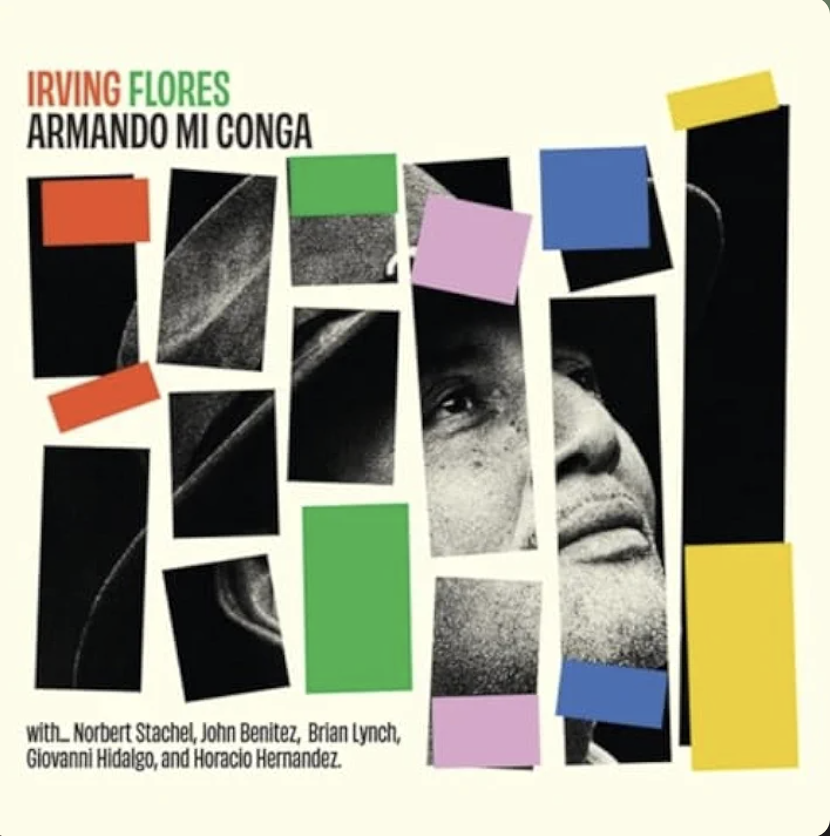
Irving Flores, Armando Mi Conga. Irving Flores, a San Diego–based Mexican-American pianist, calls this satisfying nine-track album “a love letter to Latin America.” Its bright, rhythmic music, which he composed between 1992 and today, incorporates elements of Cuban dance music and Afro-Brazilian jazz. Flores recorded the CD live in the studio with a top-notch band whose members play trumpet, drums, conga, bass, sax, flute, and clarinet.
Highlights include “Recuerdos,” a high-energy three-part composition dedicated to Flores’s musician father; “Samba Con Sabor,” which, as the title suggests, is an Afro-Latin-flavored Brazilian dance number; and the album-closing “With Amanda in Favignana,” a pensive, piano solo written as a gift to Flores’s wife.
The album is available for download here.
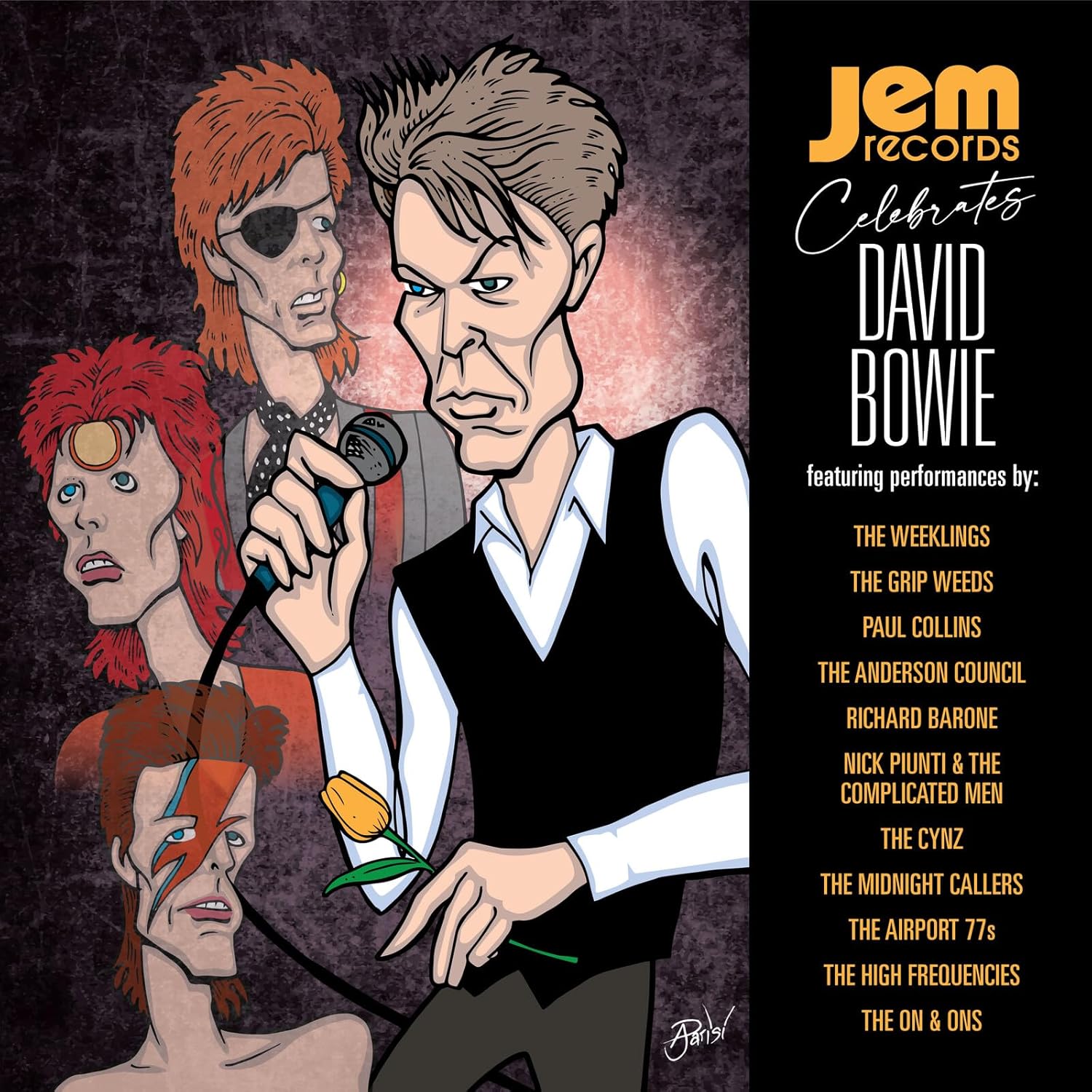
Various artists, Jem Records Celebrates David Bowie. New Jersey–based Jem Records has previously enlisted its stable of mostly power-pop bands to offer tributes to such songwriting giants as Brian Wilson, Ray Davies, and the Rolling Stones’ Mick Jagger and Keith Richards. Now Jem’s acts turn their attention to David Bowie, with frequently terrific results. Like the best tribute albums, this one contains performances that evoke the flavor of the originals while also adding something new and original.
Among the 11 selections are many of Bowie’s most celebrated numbers, such as “Space Oddity” (performed by the Grip Weeds), “Hang On to Yourself” (Paul Collins), “Boys Keep Swinging” (The Anderson Council), “Modern Love” (The High Frequencies), “Changes” (The Midnight Callers), “Diamond Dogs” (The Weeklings), “Starman” (Richard Barone, recorded live), and “Heroes” (Nick Piunti & the Complicated Men).
There are a few relatively deep cuts, as well. For example, the Airport 77s perform “I’m Afraid of Americans,” which Bowie co-wrote with Brian Eno and first released as a single in 1997. Also, the On and Ons reach back to 1971’s Hunky Dory for “Kooks,” and the Cynz dig even deeper, performing a version of “Can’t Help Thinking about Me,” which Bowie first recorded in 1965.
The album is available on vinyl here and on CD here.
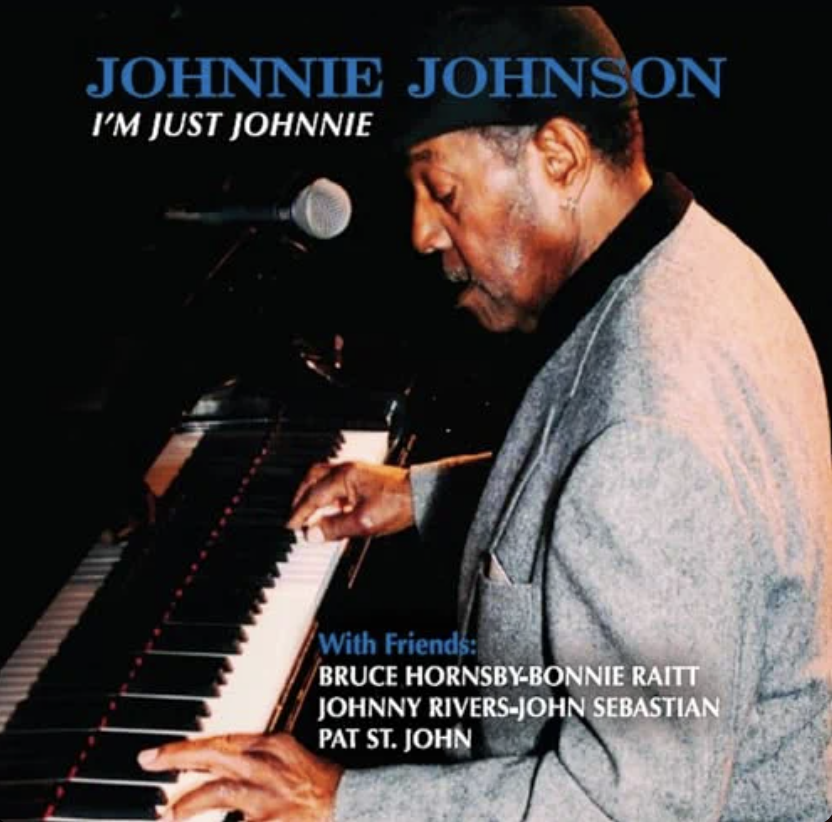
Johnnie Johnson, I’m Just Johnnie. Johnnie Johnson is best known for his longtime association with Chuck Berry, who featured the piano player on “Roll Over Beethoven,” “Maybellene,” “Back in the USA,” and many of his other hit singles. Johnson’s musician fan club extends way beyond Berry, however, and several of his other admirers contributed to this newly released album, which the pianist recorded in 2004, the year before he died.
A version of Memphis Slim’s “Every Day I Have the Blues,” for example, finds Johnson sharing lead vocals with Bruce Hornsby and incorporates slide guitar by Bonnie Raitt. John Sebastian, meanwhile, enhances “Broke the Bank,” a song Johnson co-authored, and Johnny Rivers plays guitar on “Lo Down” and “Johnnie Johnson Blues,” both of which Rivers wrote.
A bonus disc features the Rock & Roll Hall of Famer in conversation with radio personality Pat St. John. Also included are comments by Raitt and producer Gene Ackmann. Says the former: “Johnnie Johnson really is the bridge to me between what was blues and jazz and R&B and what became rock and roll…Johnnie Johnson is a giant and rightly revered.” The performances here back up her assertion.
The album is available here.
Discover more from By Jeff Burger
Subscribe to get the latest posts sent to your email.
 By Jeff Burger